
Women at Work is an ongoing personal portrait series documenting individuals in male-dominated occupations. I began the series in the spring of 2016, originally focused on women whose work challenges traditional gender roles in the labor force.
The idea began after I visited a farm to photograph a daughter who worked alongside her father during planting and harvest, and spent her summers in construction. That experience, along with my own professional life, sparked a deeper interest in how gender shapes the kinds of work people do and the stories of those who choose paths beyond what’s typical. The first person I photographed for the series was my mother-in-law, a grain elevator manager in rural Wisconsin, a role I had only ever seen filled by men.
Many of the individuals featured work in fields where female representation was less than 25 percent, based on data from the U.S. Department of Labor at the time.
Over time, my perspective has shifted. While this series began as a documentation of cisgender women in nontraditional roles, I recognize the importance of expanding that lens. As the conversation around gender and identity continues to evolve, I hope to continue this work with a broader, more inclusive view, one that makes space for trans women, nonbinary people, and others whose labor and presence challenge long-held ideas of who belongs where.
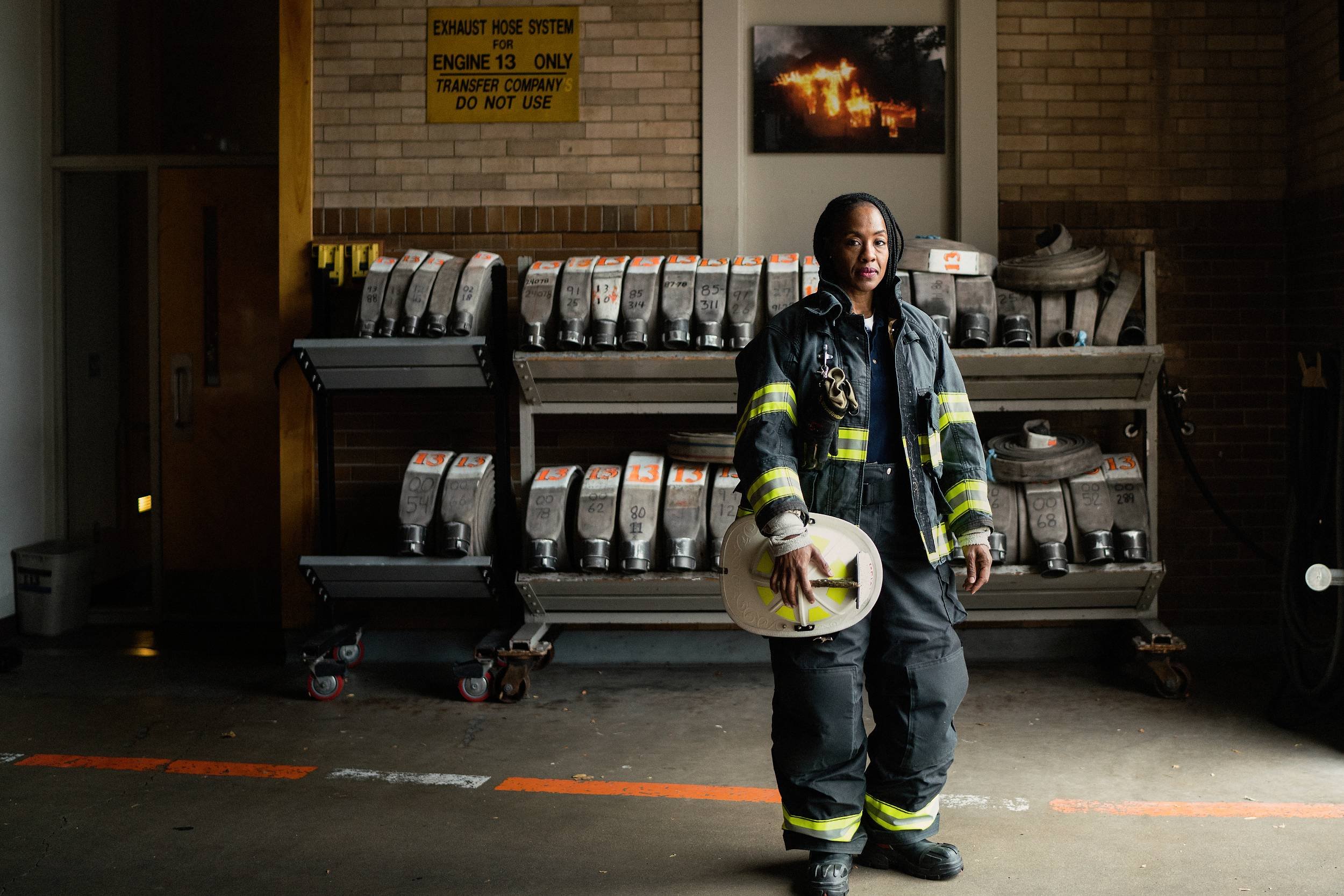
Sharon — Battalion Chief / Firefighter: Only 5% of career firefighters in the U.S. are women. “I like to say I became a firefighter by default. I’ve always needed a plan A, B, and C.”
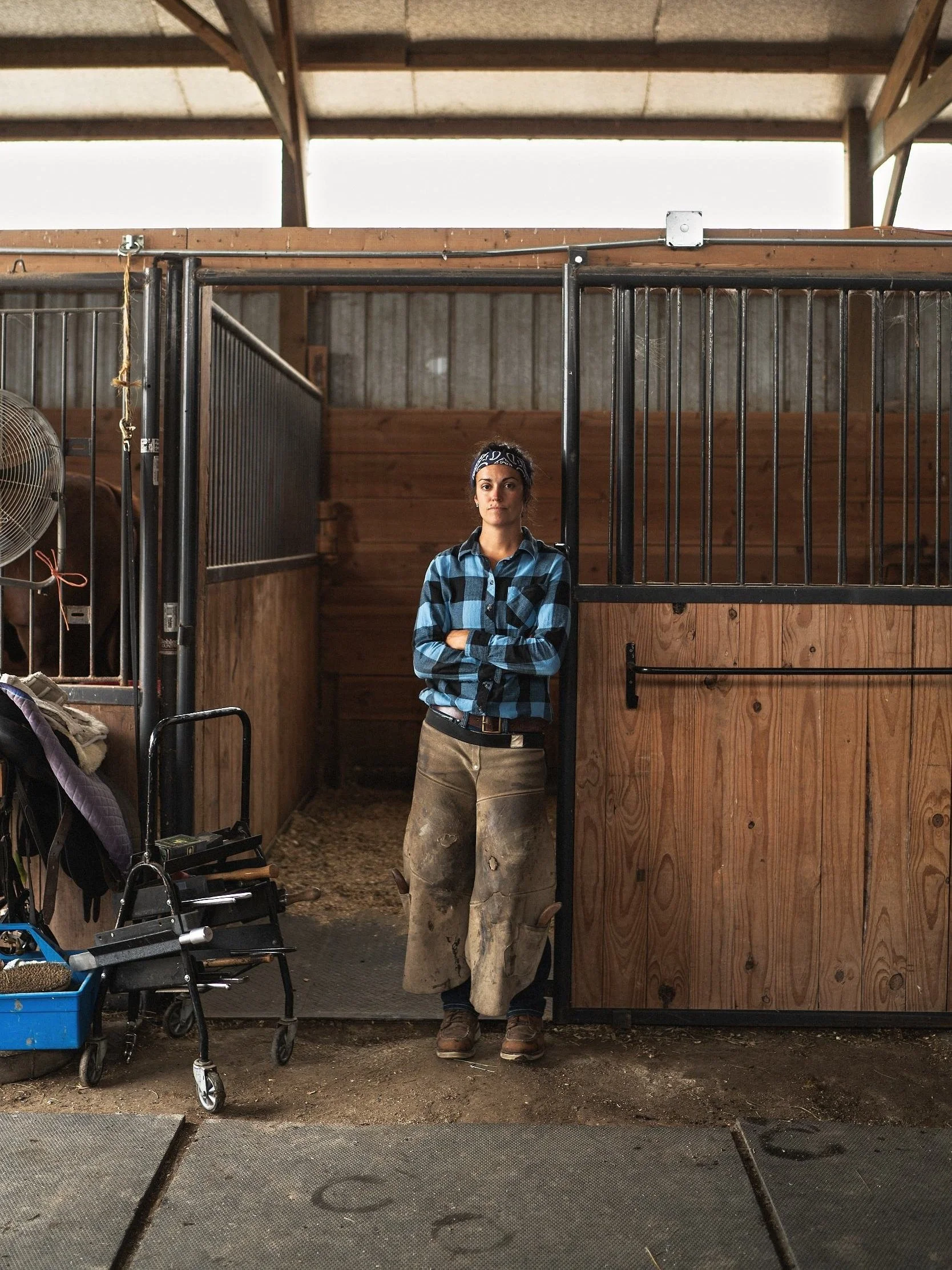
Katryna — Farrier: Only 10% of farriers in the U.S. are women. “This work is physically and mentally demanding, which I enjoy—and I love helping the horses. The craft hasn’t changed much, but it's always evolving. As long as horses exist, farriers will be needed.”
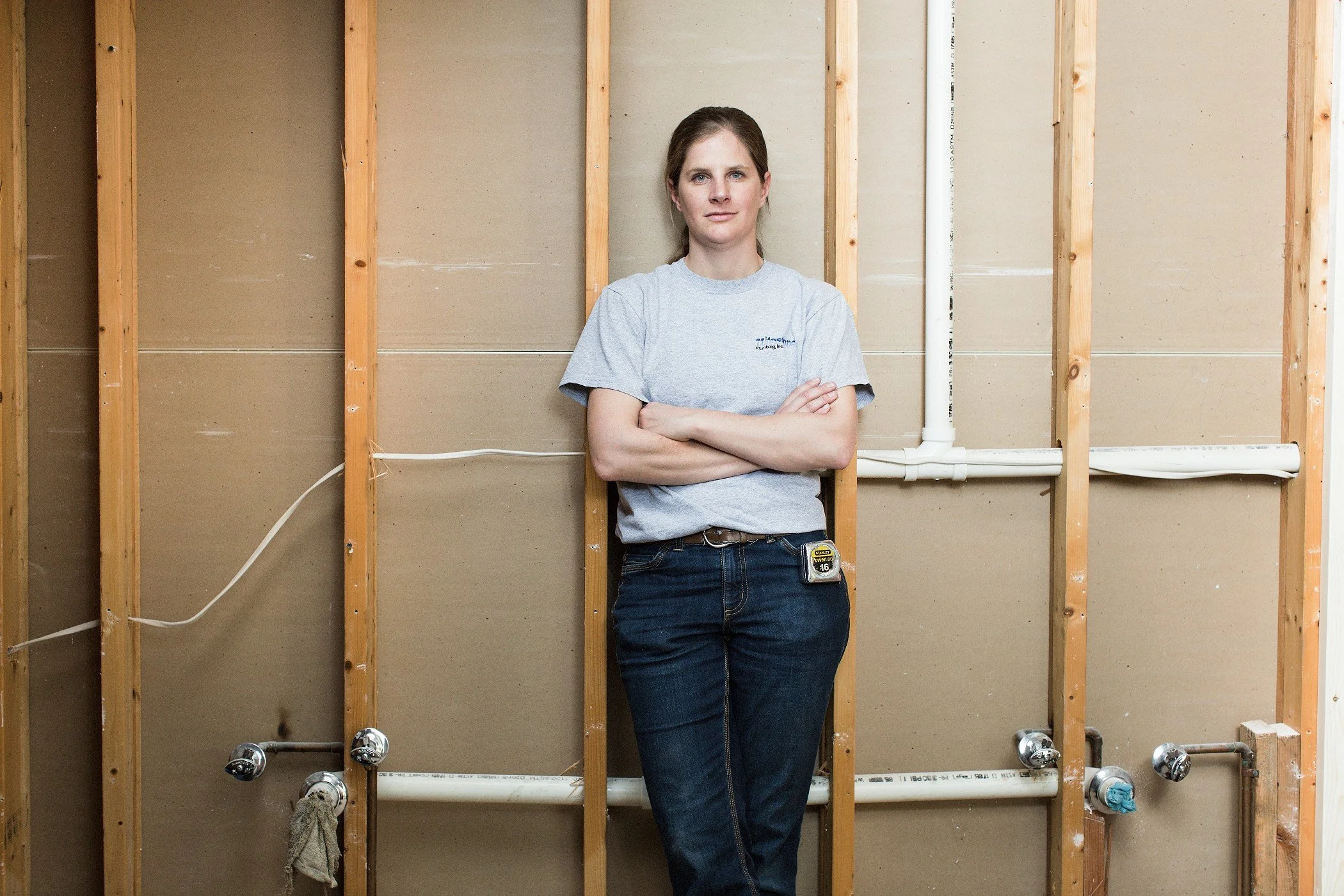
Jessie — Master Plumber / Company President: Women make up just 3.2% of plumbers, pipefitters, and steamfitters in the U.S. “It’s easy to assume the trades are a ‘man’s world,’ but that’s no longer true. There are so many opportunities—for women and for the next generation—to find well-paying, rewarding work. I’ve done both college and trades, and while I’m still paying off student loans, plumbing turned out to be the more fulfilling path.”
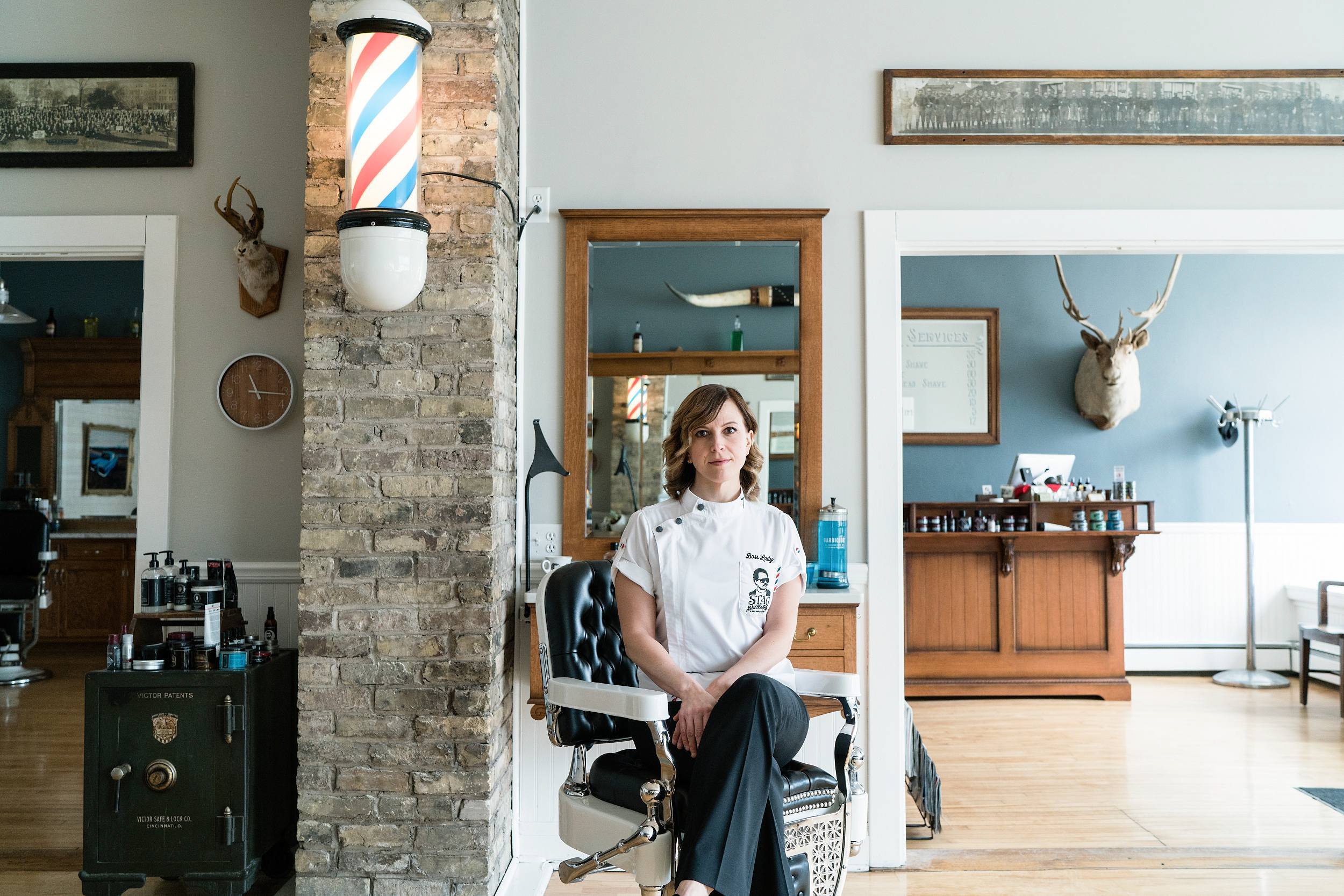
Jess — Barber: 25.1% of barbers in the U.S. are women. “I picked up my first clipper in grade school, cutting my brothers’ hair and I’ve loved it ever since. People still say women can’t be barbers, but the word itself just means someone who cuts hair and beards. Confidence, consistency, and a steady hand have helped me challenge that stereotype every day.”
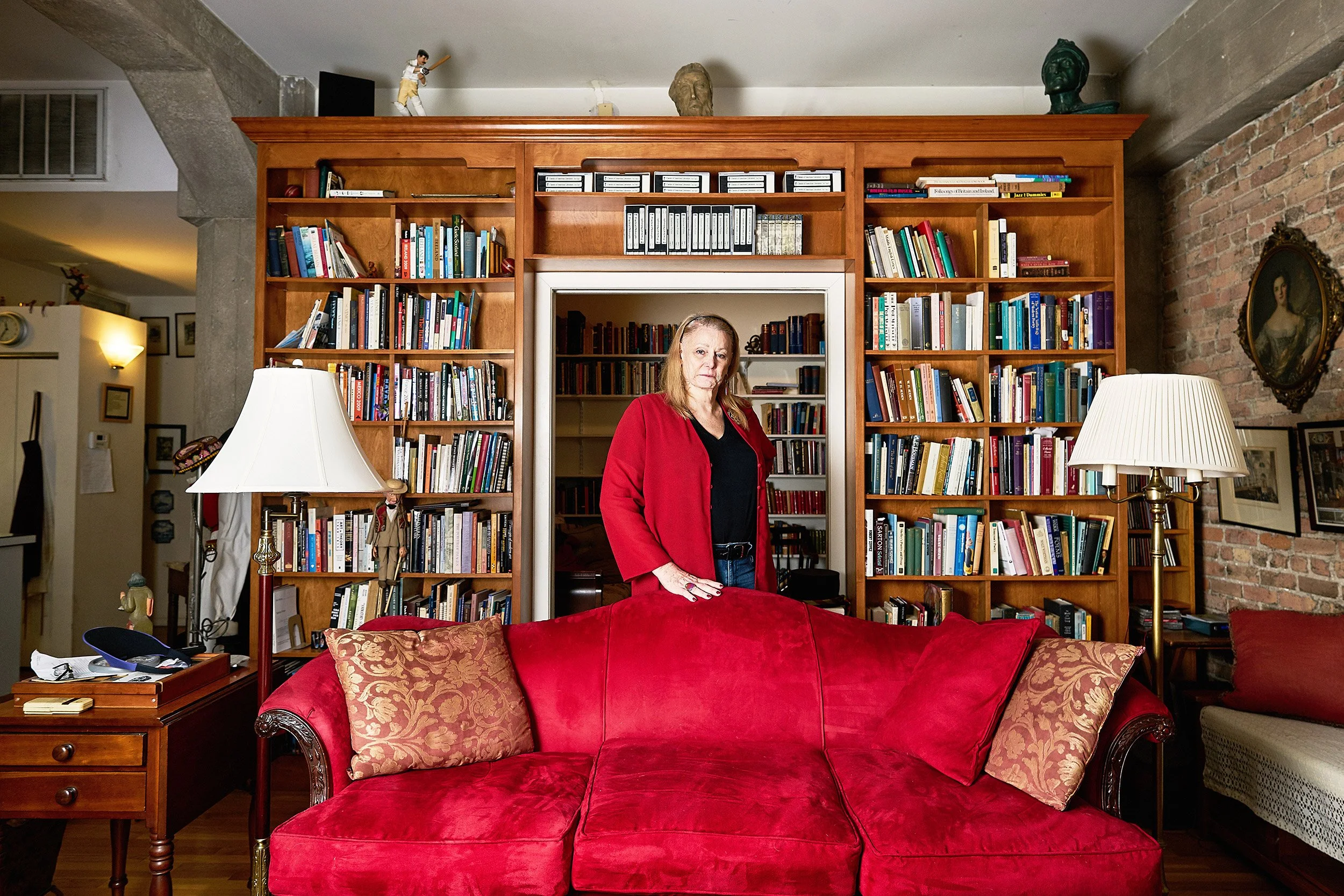
Deirdre — Economist, Author, Professor: A pioneering trans woman and one of America’s most prominent economists. Women make up only 26.4% of economists worldwide and just 28–31% of full professors in economics.
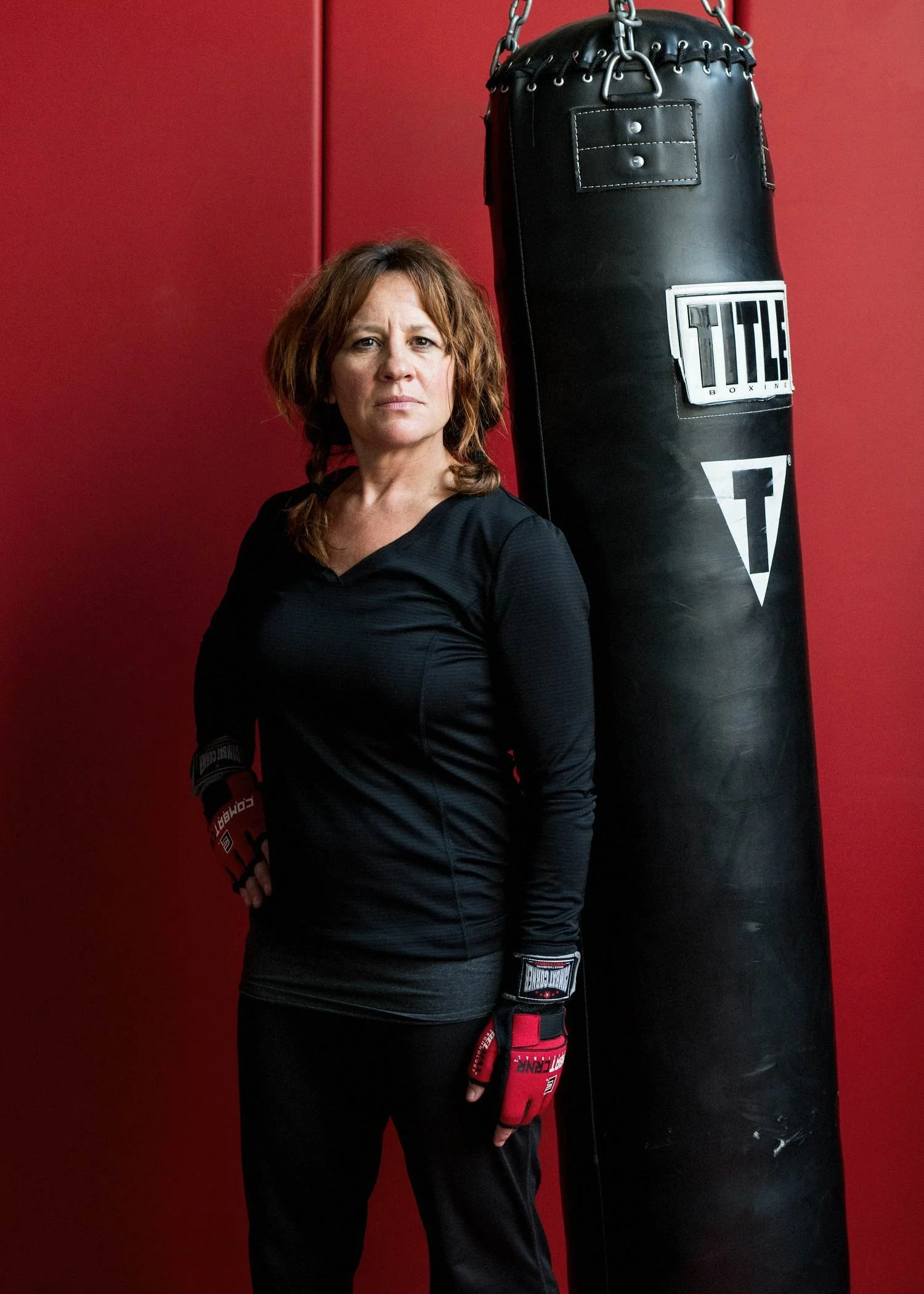
Jane — Self Defense Instructor: Only 20.7% of martial arts instructors in the U.S. are women. “There were times I was the only woman in Krav Maga training. But it made me stronger, I earned respect from the men, and I learned so much from them. Now I teach women and teen girls how to defend themselves with confidence.”
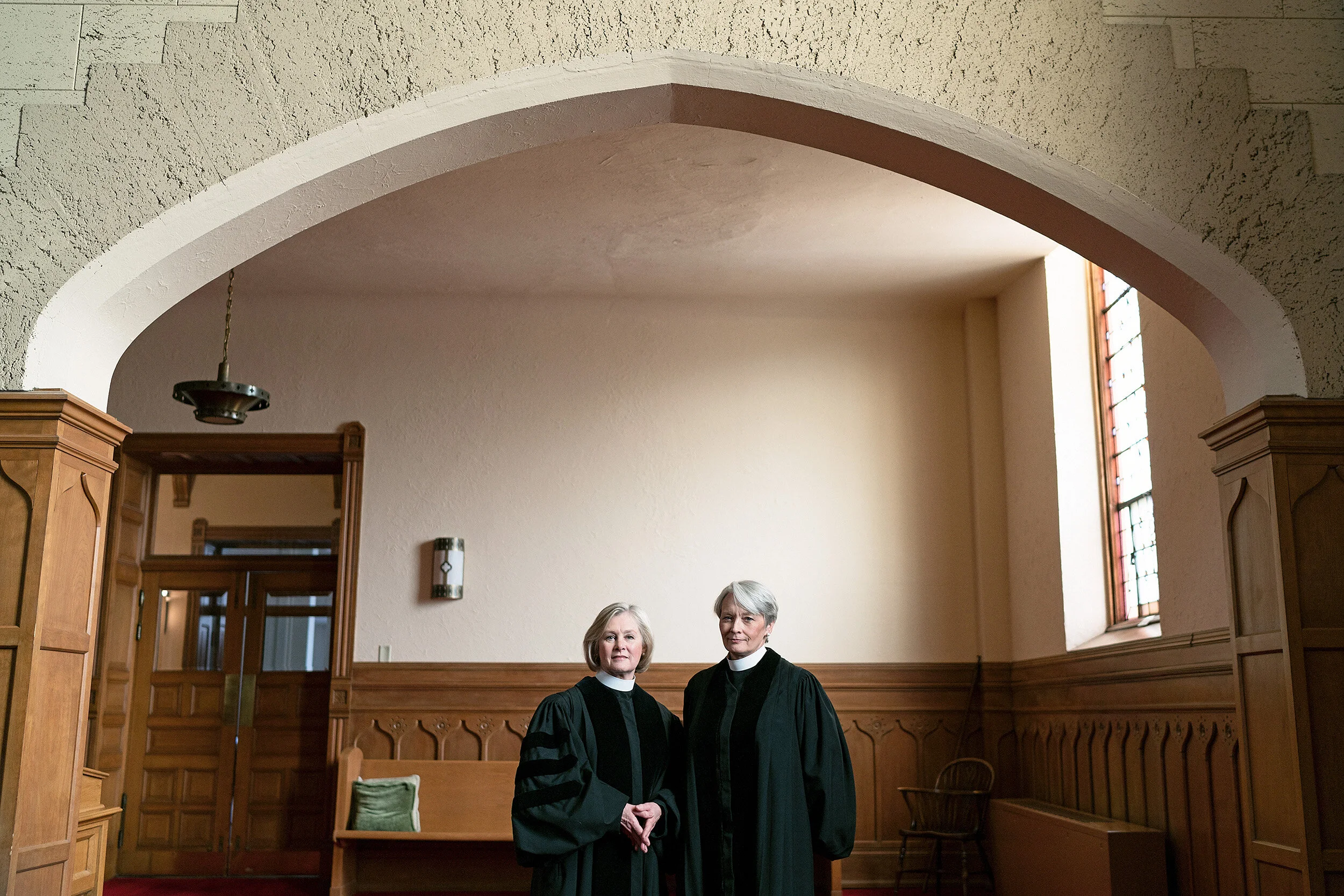
Jean & Deborah — Pastors: Women make up 17.6% of clergy in the U.S. Faith leaders in a role where women remain underrepresented.
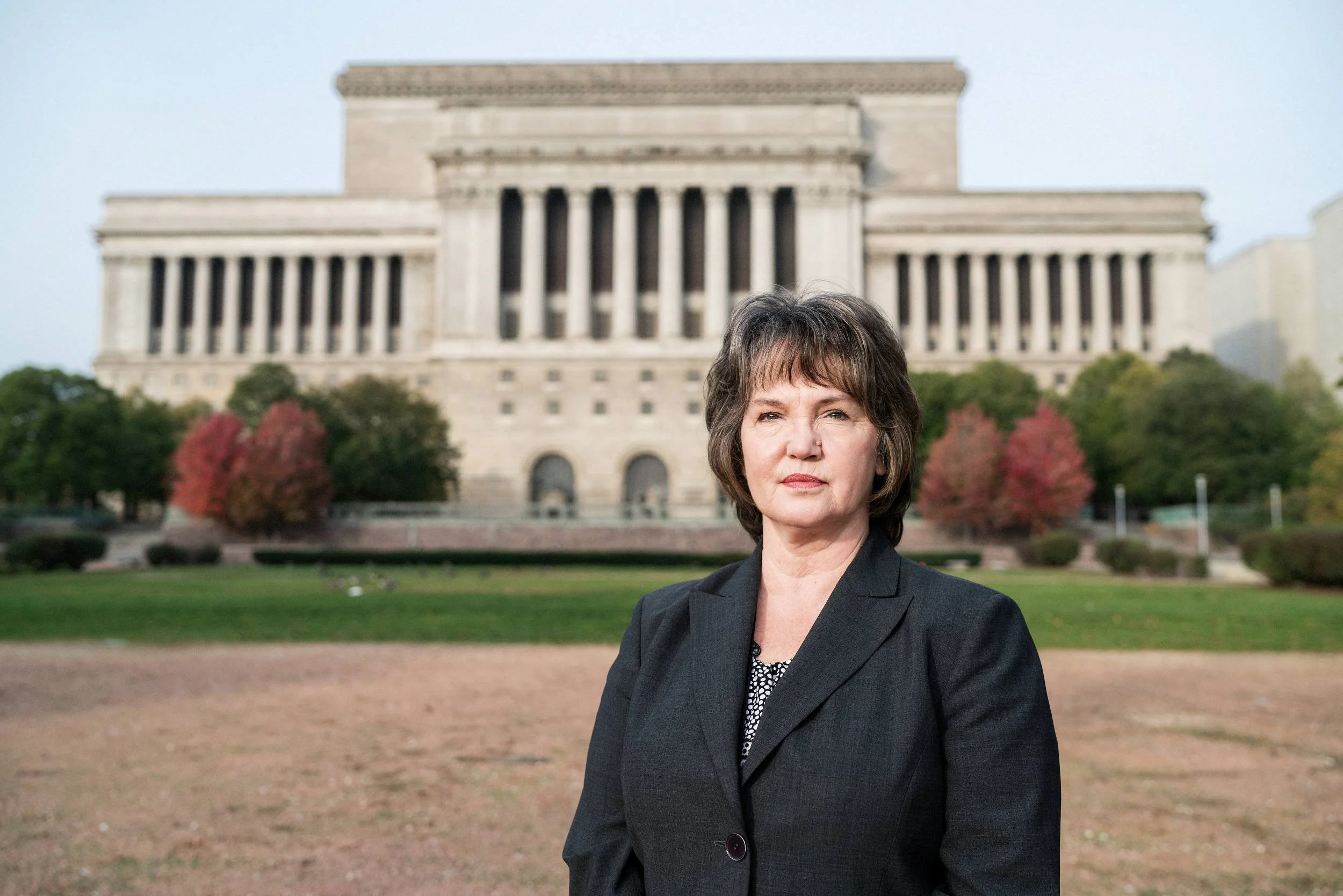
Kathy — Police Detective: Women make up 26.1% of detectives and criminal investigators in the U.S. “The bias toward women in this job has certainly lessened since 1988 when I came on the job. Surely, it has been proven we do this job as well as our male counterparts, and in many ways, even better. My attitude always has been that anyone coming into this field must know they have to 'prove' themselves capable of the very challenging demands of this type of work, whether you are male or female, Black or white, etc.”
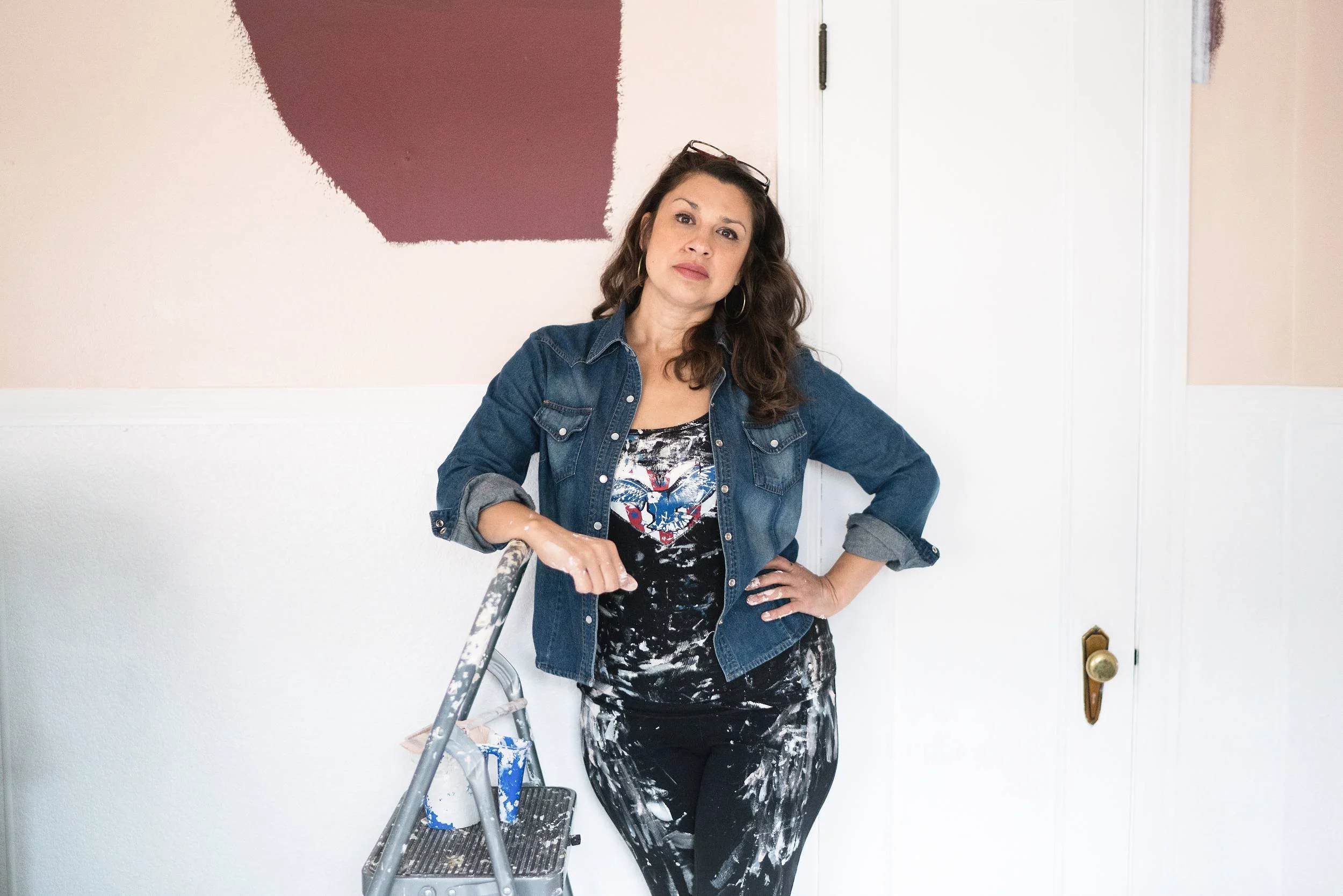
Melinda — Painter: Women comprise 7.89% of painters and paperhangers in the U.S. “I've always painted my own spaces since I was a teenager, and eventually for friends and family. I never understood why anyone would hire a painter—it came so naturally to me. Now I understand it's not everyone's niche. I love watching my work unfold; it's therapeutic and allows me to use my hands. There's a beautiful rhythm to painting that engages the mind, hands, eyes, and ears, especially when I incorporate my favorite music. Color and tone have always intrigued me. People should love their spaces, so it's fulfilling to create environments that please them. Painting, to me, is a form of solo meditation, art, and creativity, never a mundane chore.”
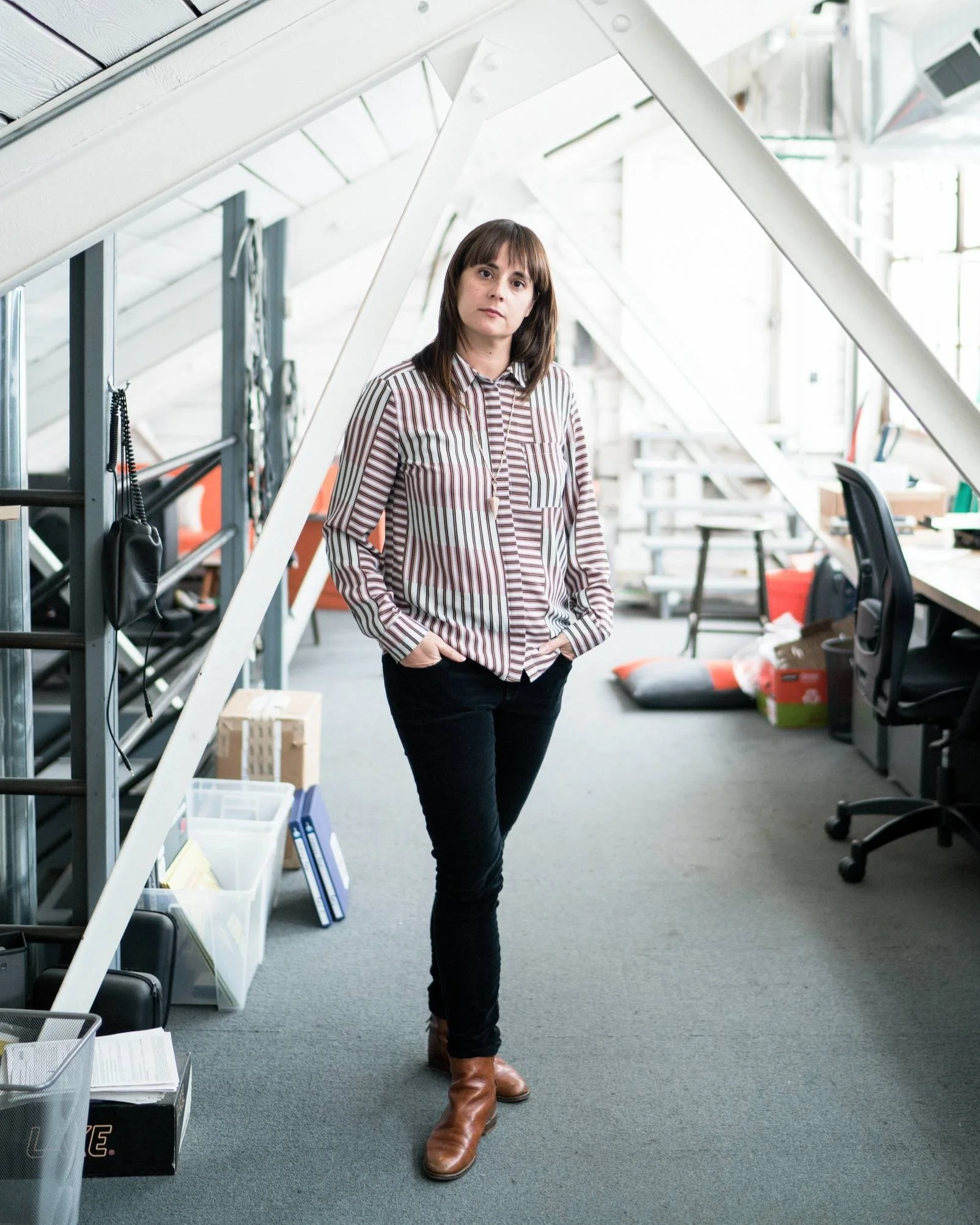
Shelly — Mastering Engineer / Audio Engineer: Only 13% of broadcast and sound engineering technicians in the U.S. are women. “The audio field is very competitive, and there aren't a ton of lucrative jobs out there. However, if you stick with it and keep developing and diversifying your skill set, there are a lot of rewarding experiences to be had.”
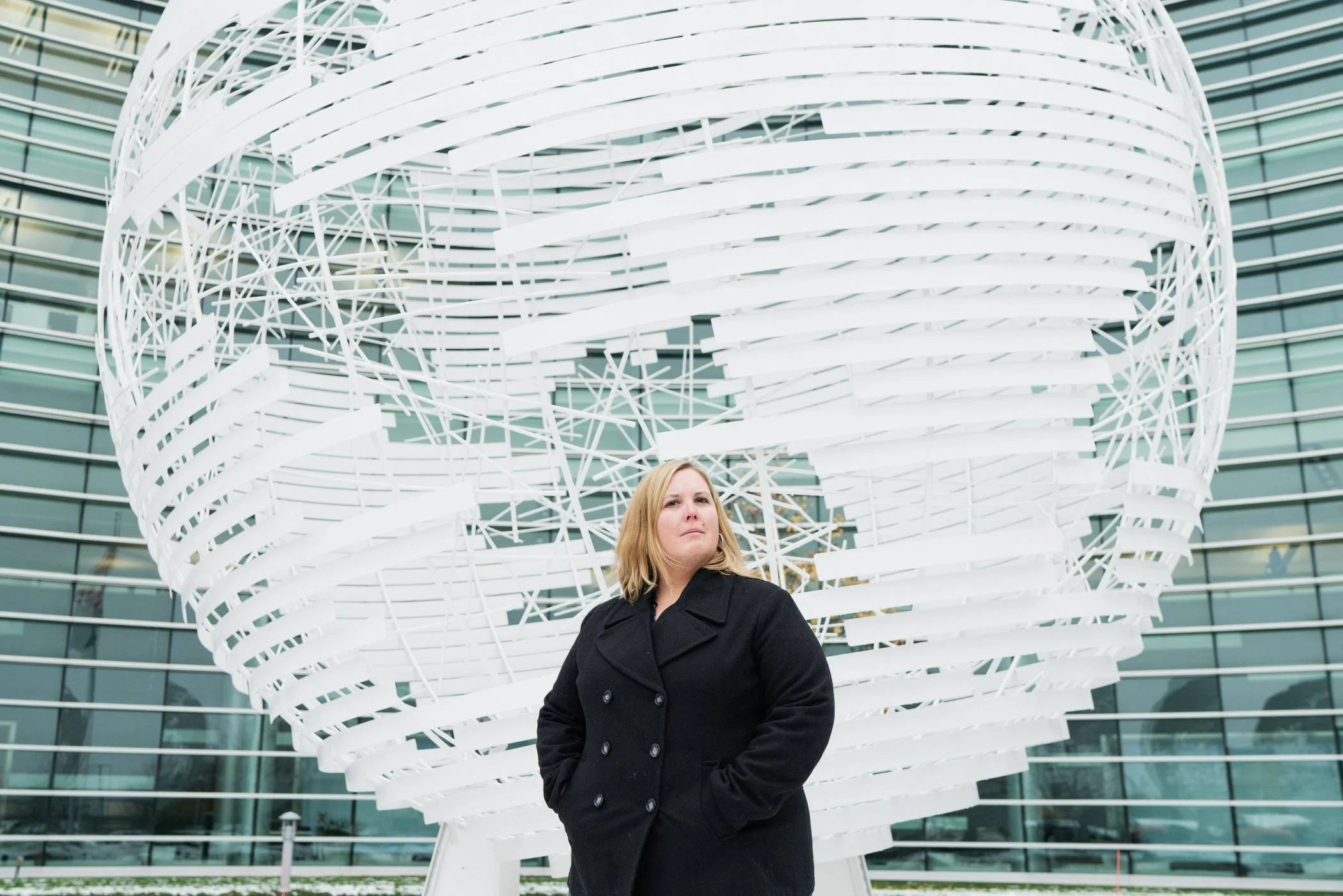
Amber — Global Variable Cost Productivity Leader: Women hold just 23% of senior management roles in the U.S. “I’ve gotten used to being one of the few women at the table—and I actually enjoy it. But stepping out of your comfort zone will always feel intimidating.”
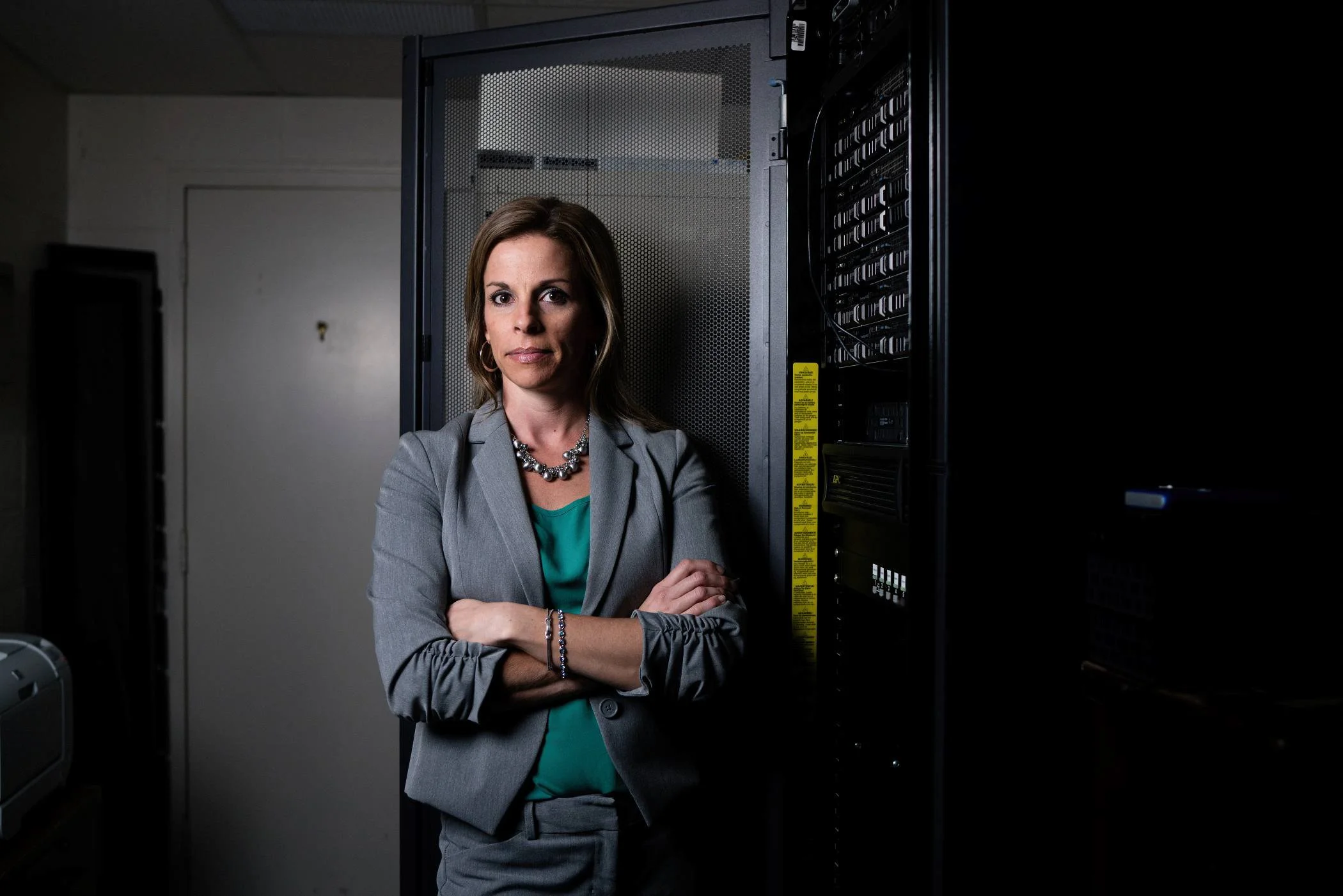
Nicole — IT Manager: Women hold just 27.1% of computer and information systems manager roles in the U.S. “The reality is, as a young lady entering college, an IT career doesn't sound so glamorous. With the growth of STEM in early education and the presence of technology in almost everything we do, I hope to see that change. The standard societal mold of an IT professional needs to be broken to make it more appealing to young women.”
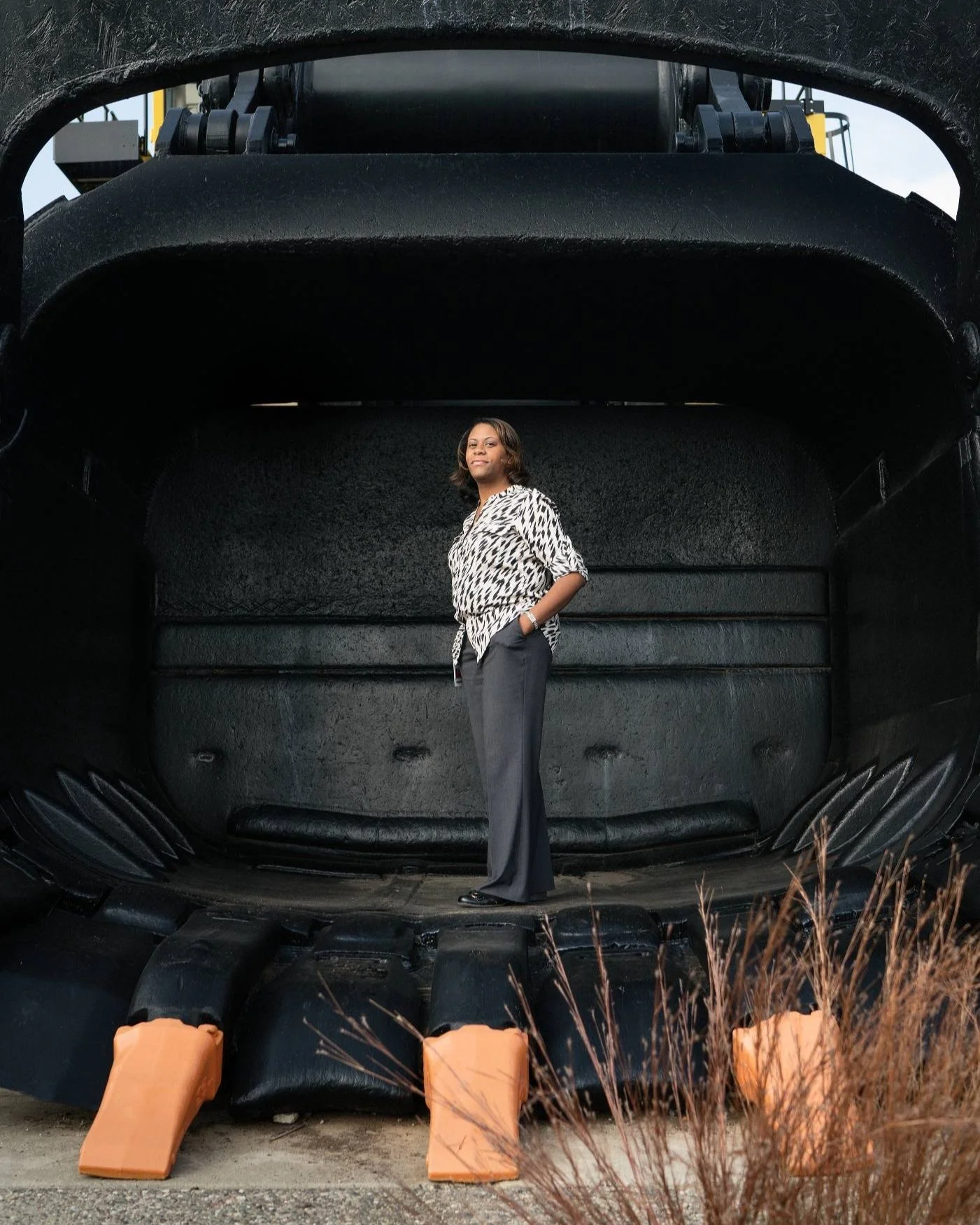
Victoria — Senior Electrical Engineer & Team Lead: Women comprise approximately 12.3% of electrical and electronics engineers and 10.6% of architectural and engineering managers in the U.S. “I always knew I wanted to be an electrical engineer. In eighth grade, I had a knack for math and science and decided to put the two together.”
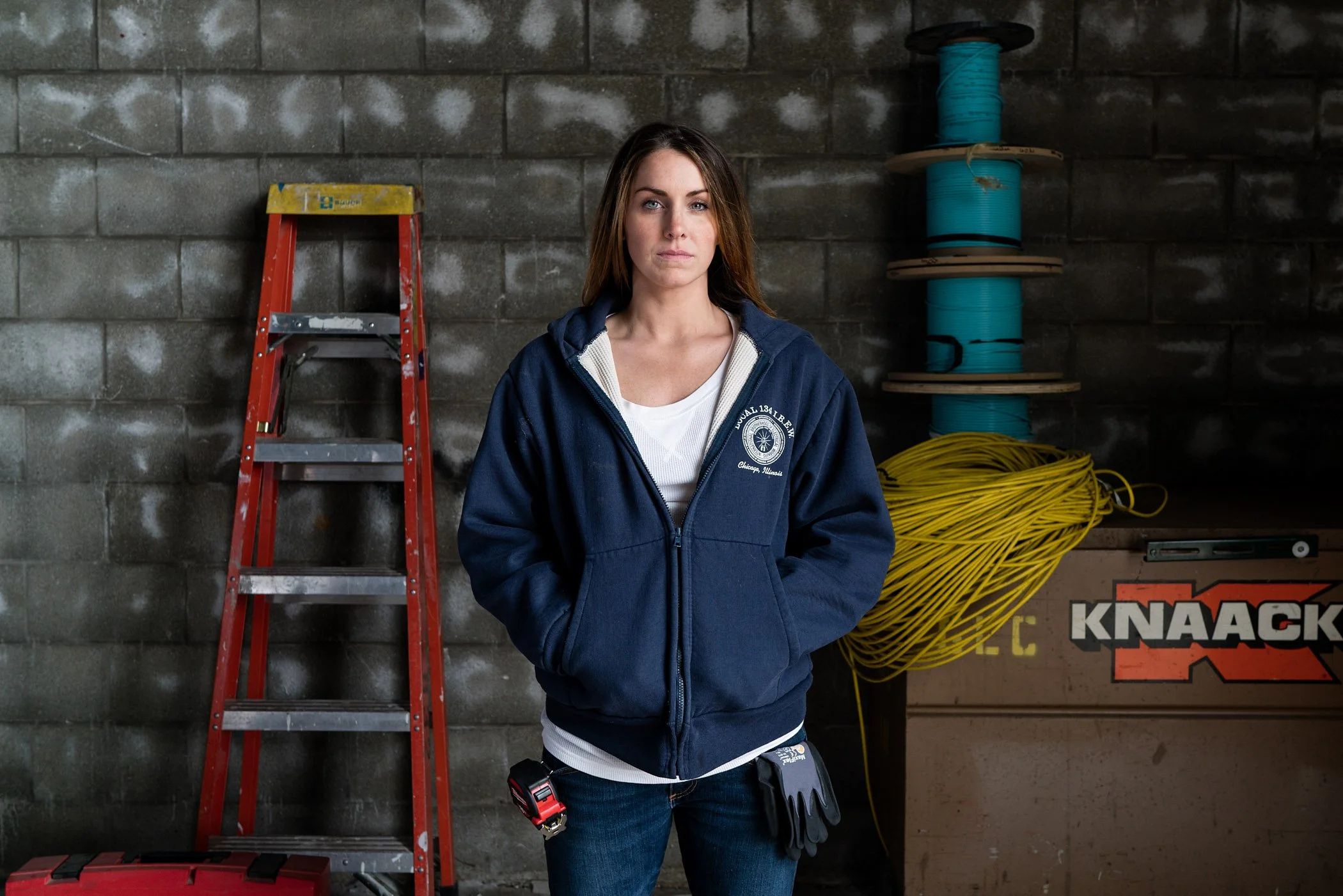
Allissa — Communications Electrician: Women make up just 2.4% of electricians in the U.S. A skilled tradeswoman working in one of the most male-dominated sectors of the electrical field.
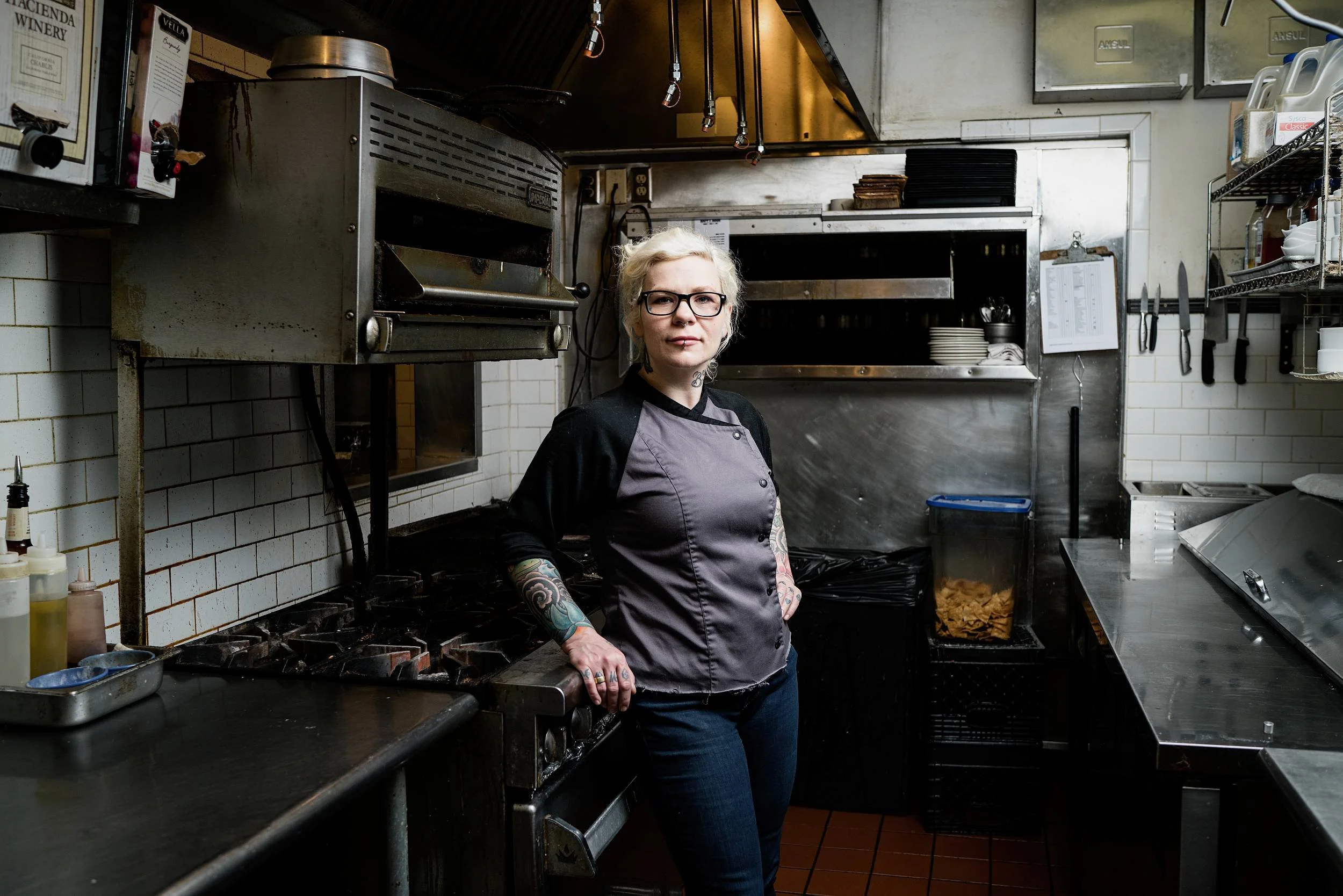
Rebecca — Chef: Women comprise approximately 22.6% of chefs and head cooks in the U.S. “I think the best part of being in a male-dominated profession is when the old farts (sales reps etc) walk in looking for the boss and step around me to speak to one of my male staff. I love creating that bit of discomfort while breaking down barriers, it's a little bit of retribution.”
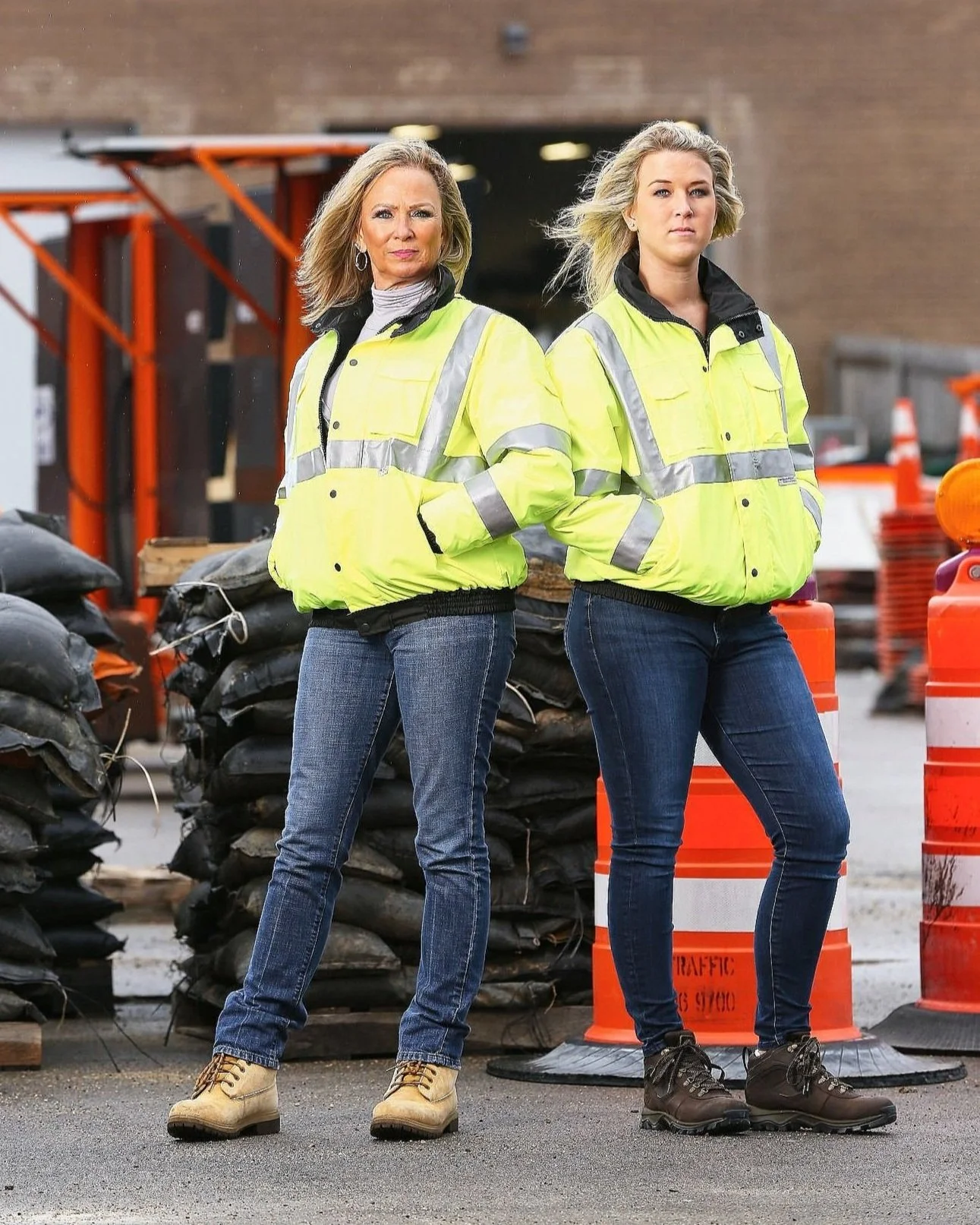
Kathi, Chairwoman, and Devvon, Executive at a Traffic Safety and Road Services Company Women make up less than 10% of the U.S. construction workforce. A mother and daughter leading a company that provides traffic control, pavement marking, and safety services for road and infrastructure projects.
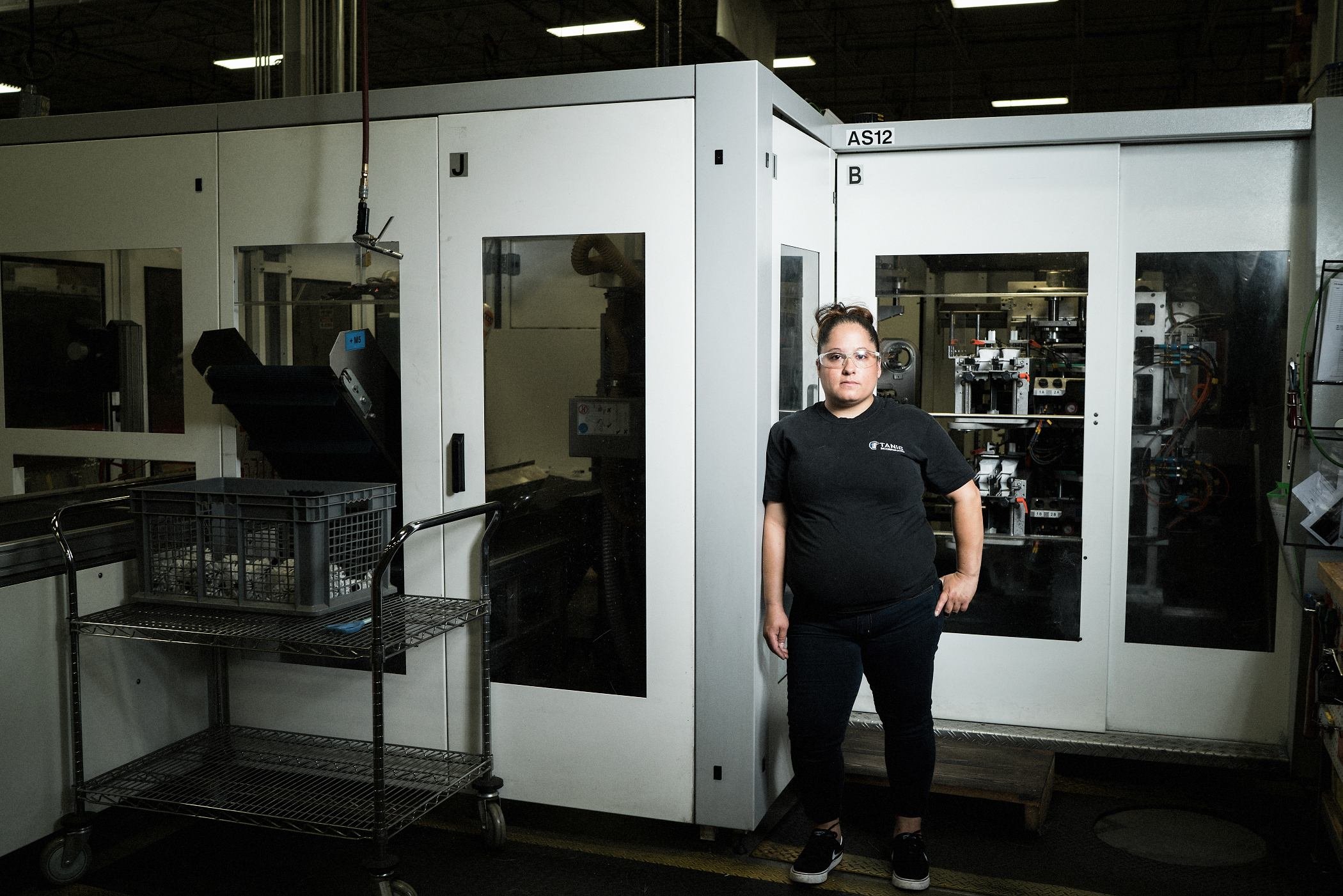
Anna — Machine Operator: Women comprise 4.8% of machinists in the U.S. “What I do for a living isn't ideal for others. For myself, I like a challenge and trying new things. You're constantly showing that you DO belong, that YOU can do this and keep moving forward. I wouldn't be the woman I am today if it wasn't for working in manufacturing. It built up my confidence and strength.”
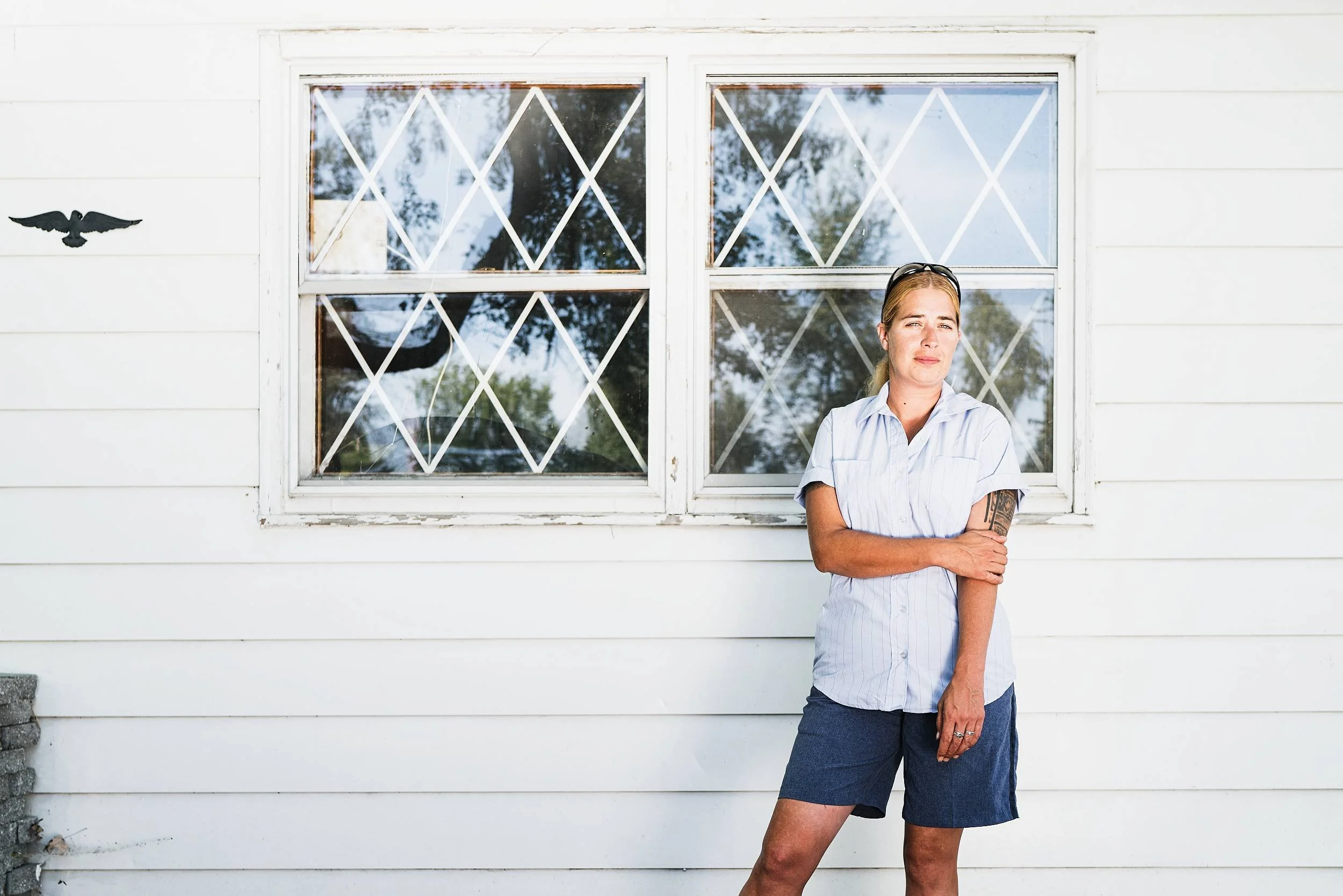
Danell — City Letter Carrier Women comprise approximately 38.6% of U.S. postal service mail carriers. Once a male-dominated profession, letter carrying has seen a significant increase in female representation over the past century.
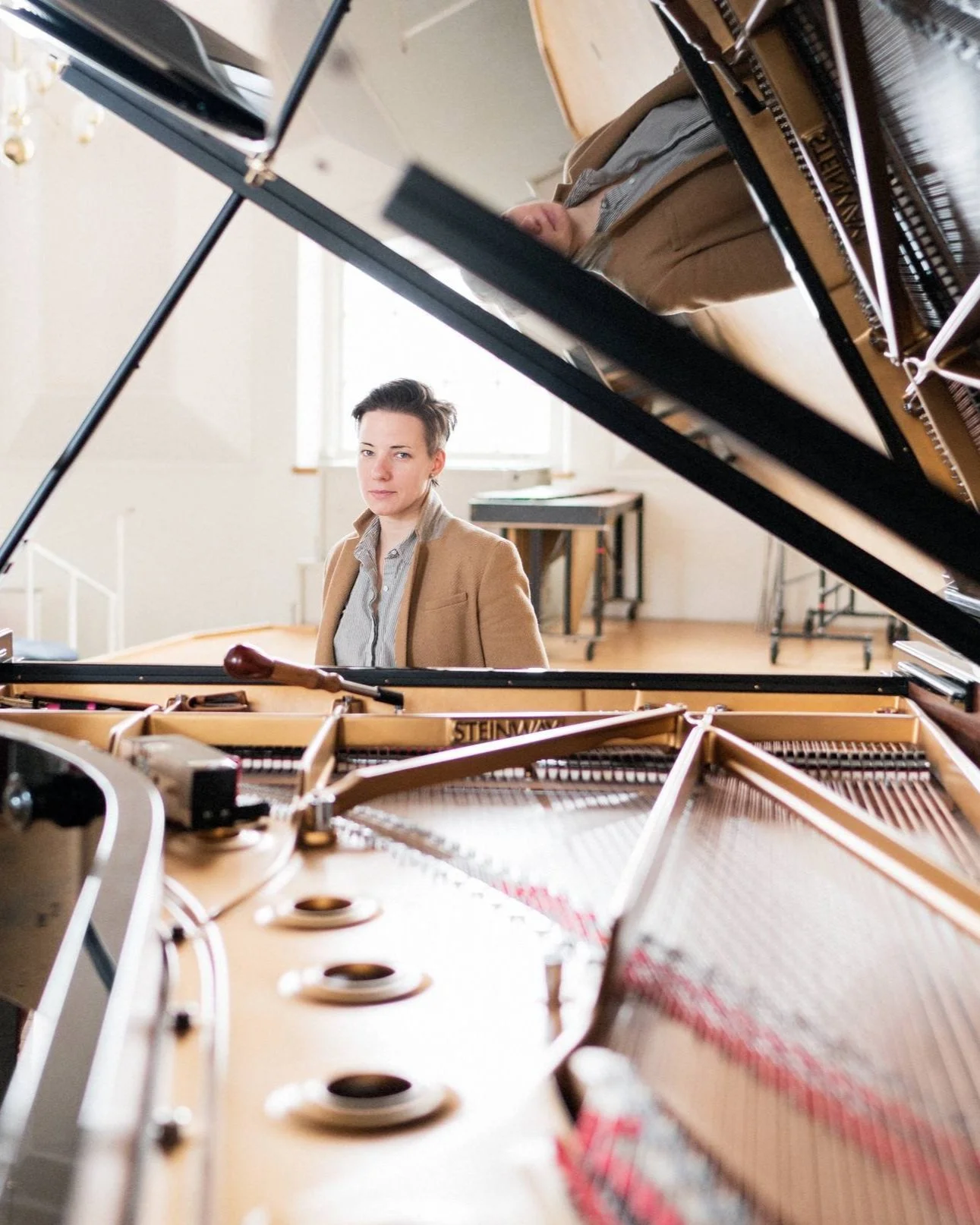
Christa — Piano Technician Women make up an estimated 15% of piano technicians in the U.S.
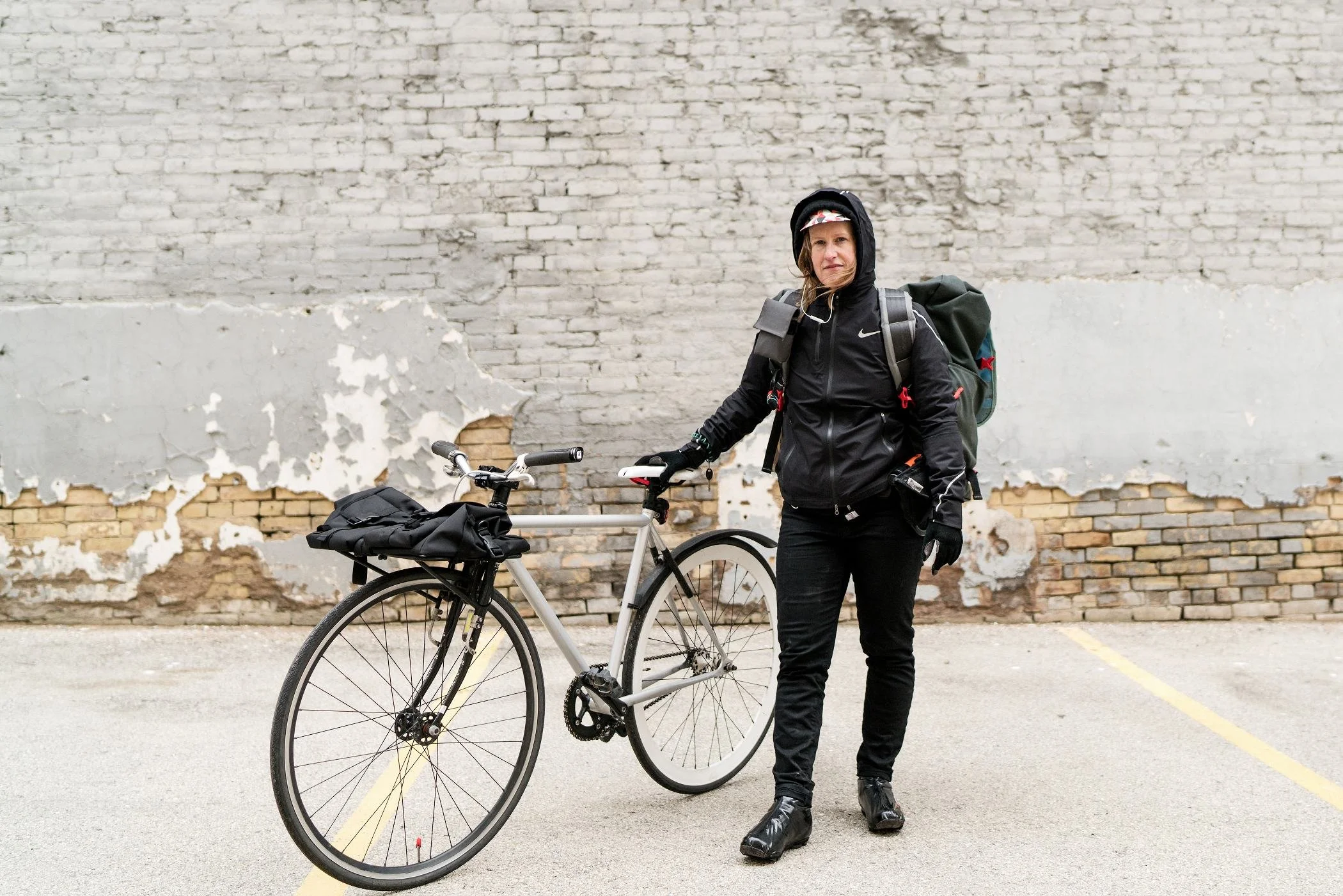
Heather — Bicycle Messenger / Mechanic Women make up approximately 21.6% of couriers and messengers in the U.S. “Flying through traffic with a hot fifteen to the courthouse on board during a warm sunny day is so exhilarating. How fast can I go? Dodging cars, pedestrians, objects, red lights... so fast!”
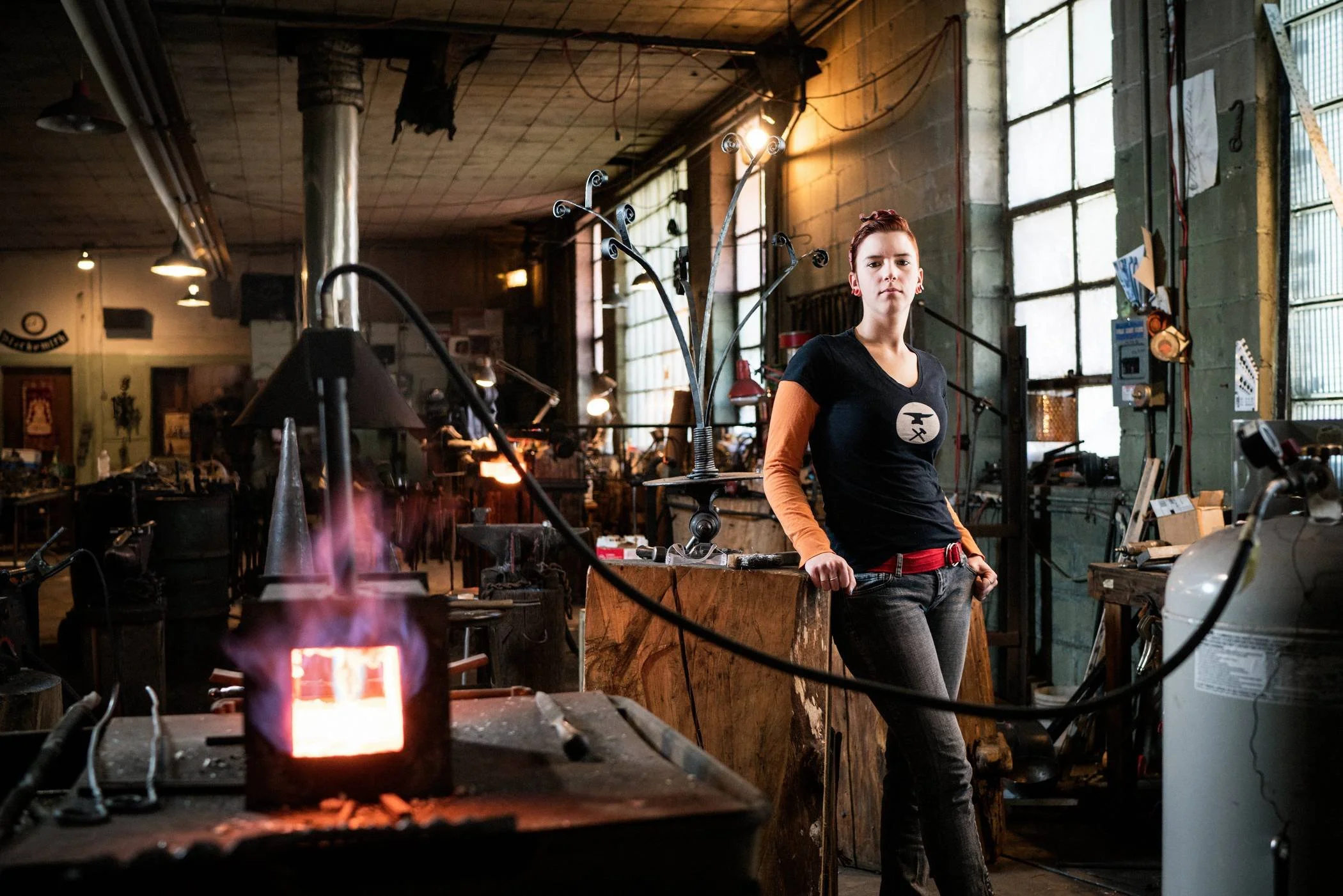
Zoey — Design Manager & Apprentice Blacksmith: Women comprise approximately 16.9% of blacksmiths in the U.S. “Being the only woman blacksmith in a family blacksmith shop is a reality that can be your worst enemy or your best friend. Sometimes both in one day. Honestly it takes more willpower than anything. Push yourself to do as well as they do. To not let yourself get rubbed the wrong way with the shots they take, because they do it to each other as well.”
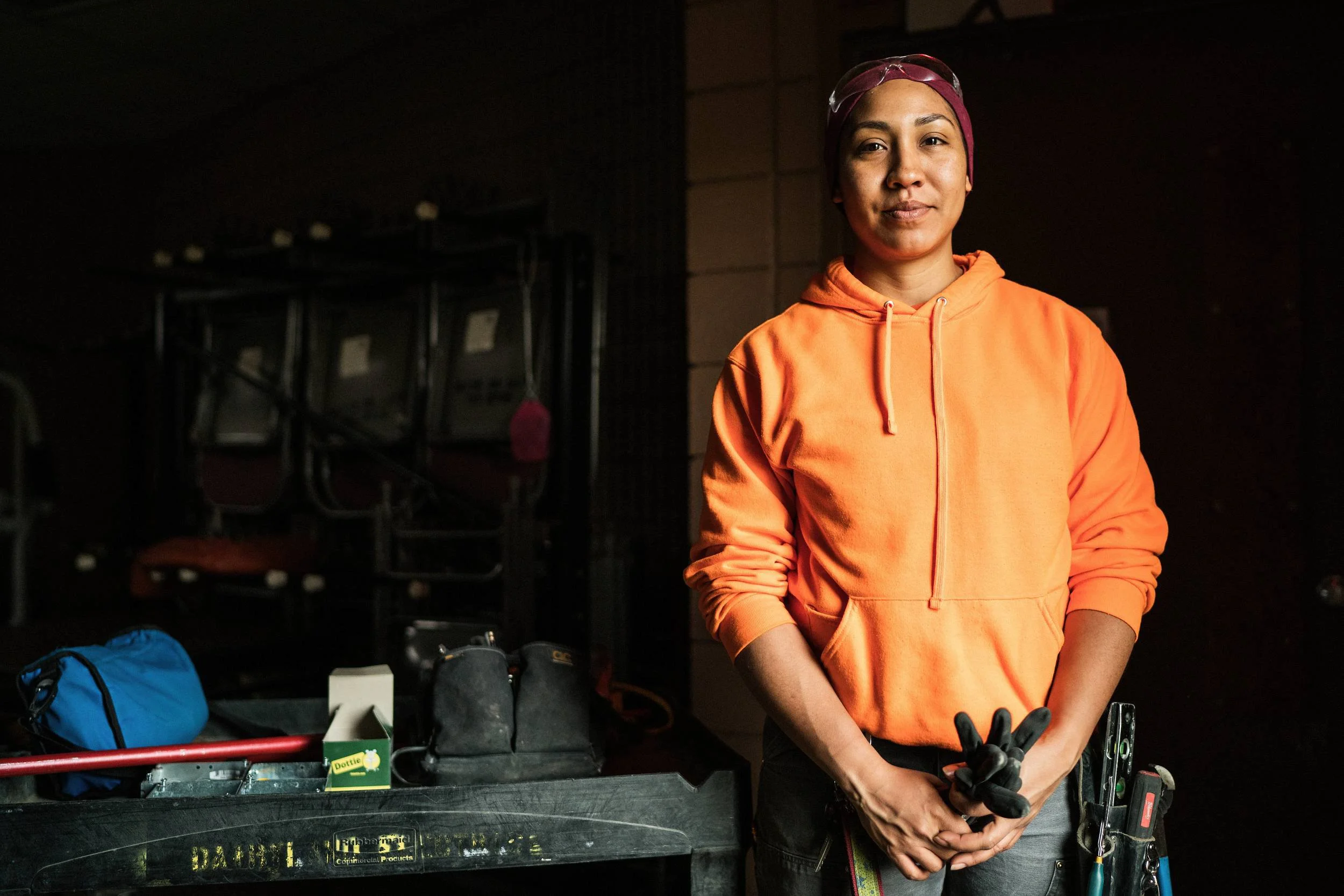
Michele — Journeyman Inside Wireman: Women make up just 2.4% of electricians in the U.S. “I can point to buildings, schools, and parks in my city and say, ‘I helped build that.’ In my union, women earn the same as men for the same work—we’re all held to the same high standard. That brings real pride to my life.”
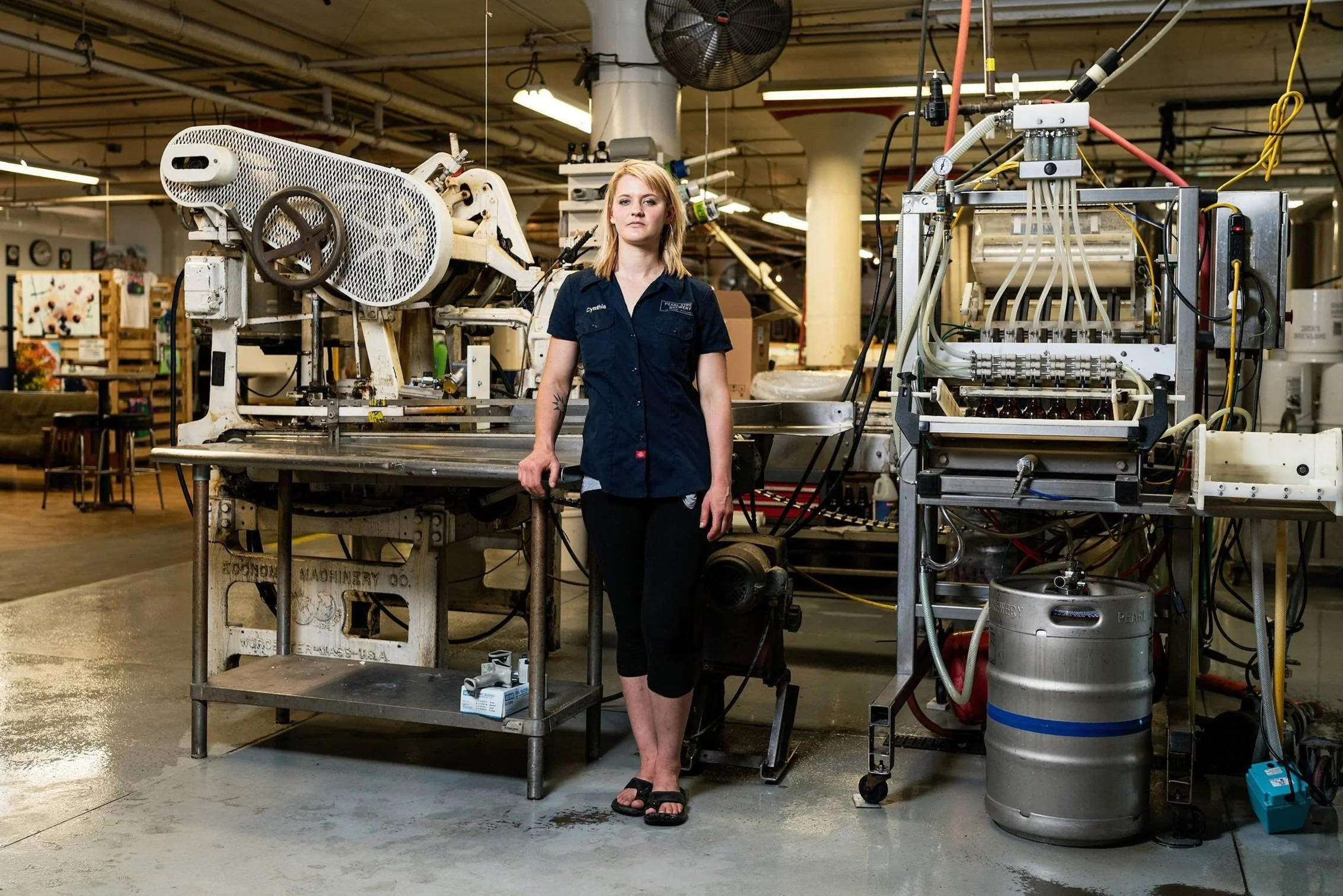
Cynthia — Cellarman: Women make up 29% of brewery workers in the U.S. “I’ve worked in male-dominated industries for a decade. I don’t do this work because it’s expected—I do it because I enjoy it. Gender roles be damned.”
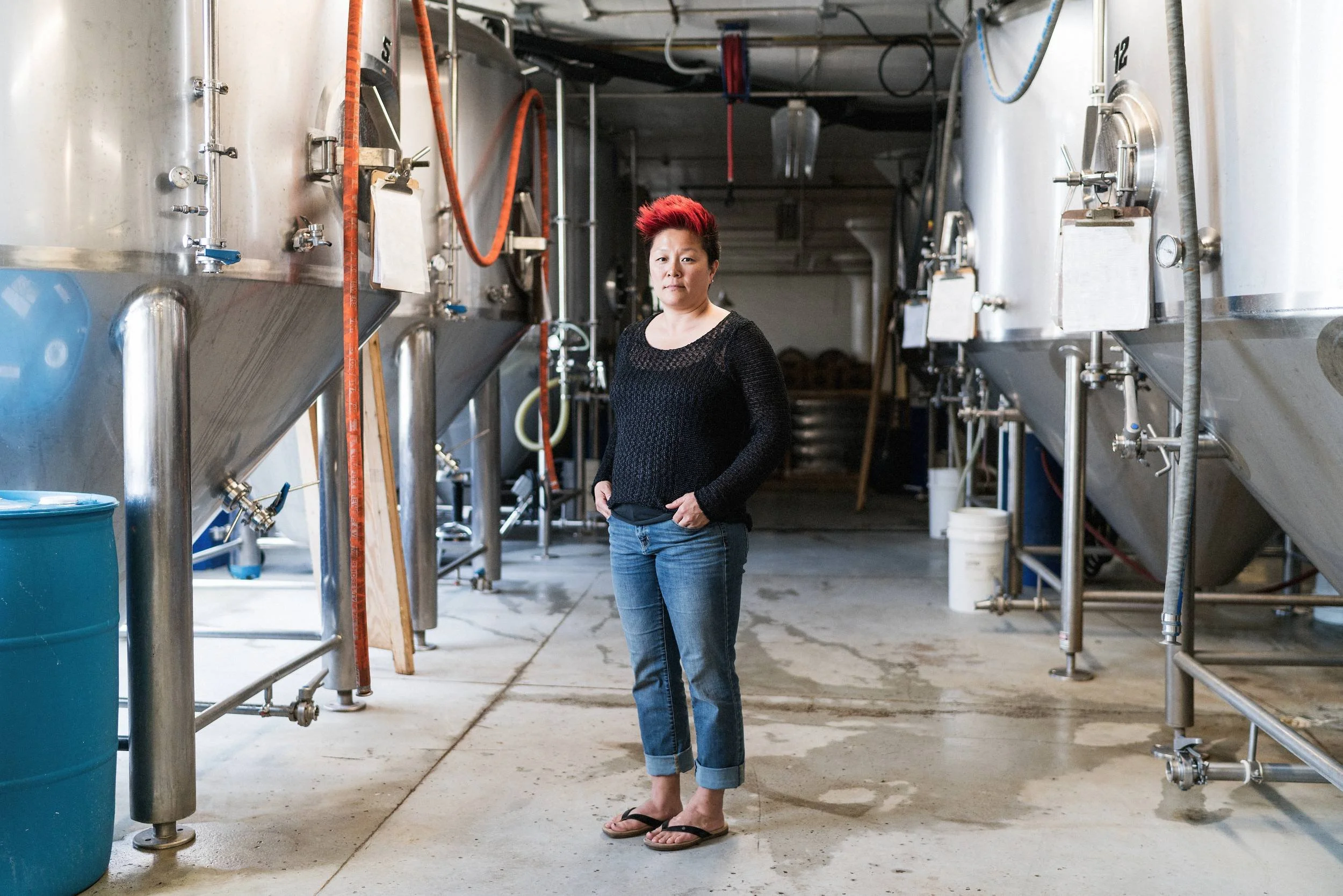
Tami — Brewery Owner & Director of Marketing and Sales: Women hold 21% of executive roles at U.S. craft breweries. “I don’t define myself only by being a woman in a male-dominated field. My work helps define the industry on its own merit.”
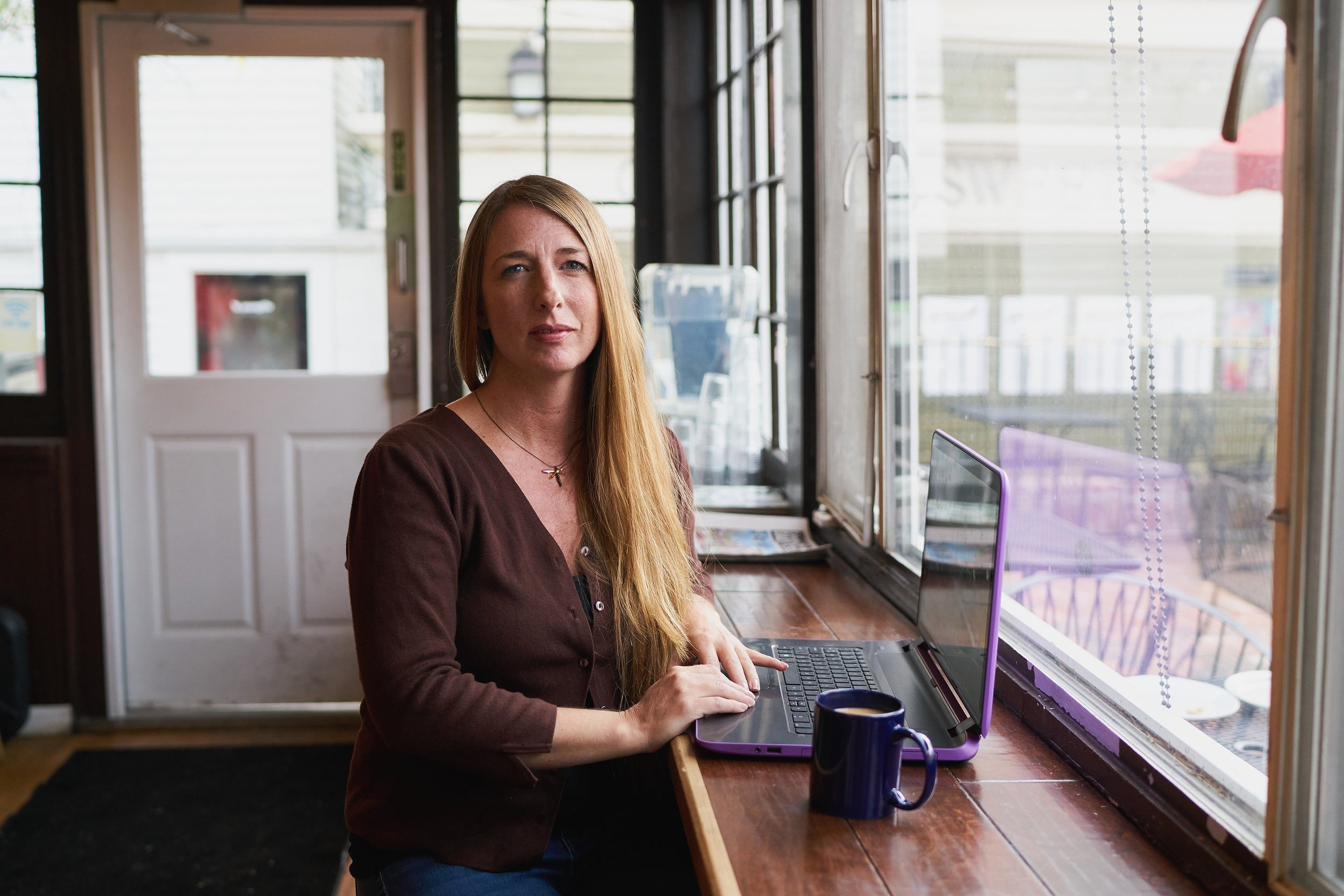
Serin — Web Developer: Women make up 33.6% of web developers in the U.S. “Programming is an art, it lets me create without limits. I love solving problems, building things, and working from anywhere. Even from a beach in Mexico.”
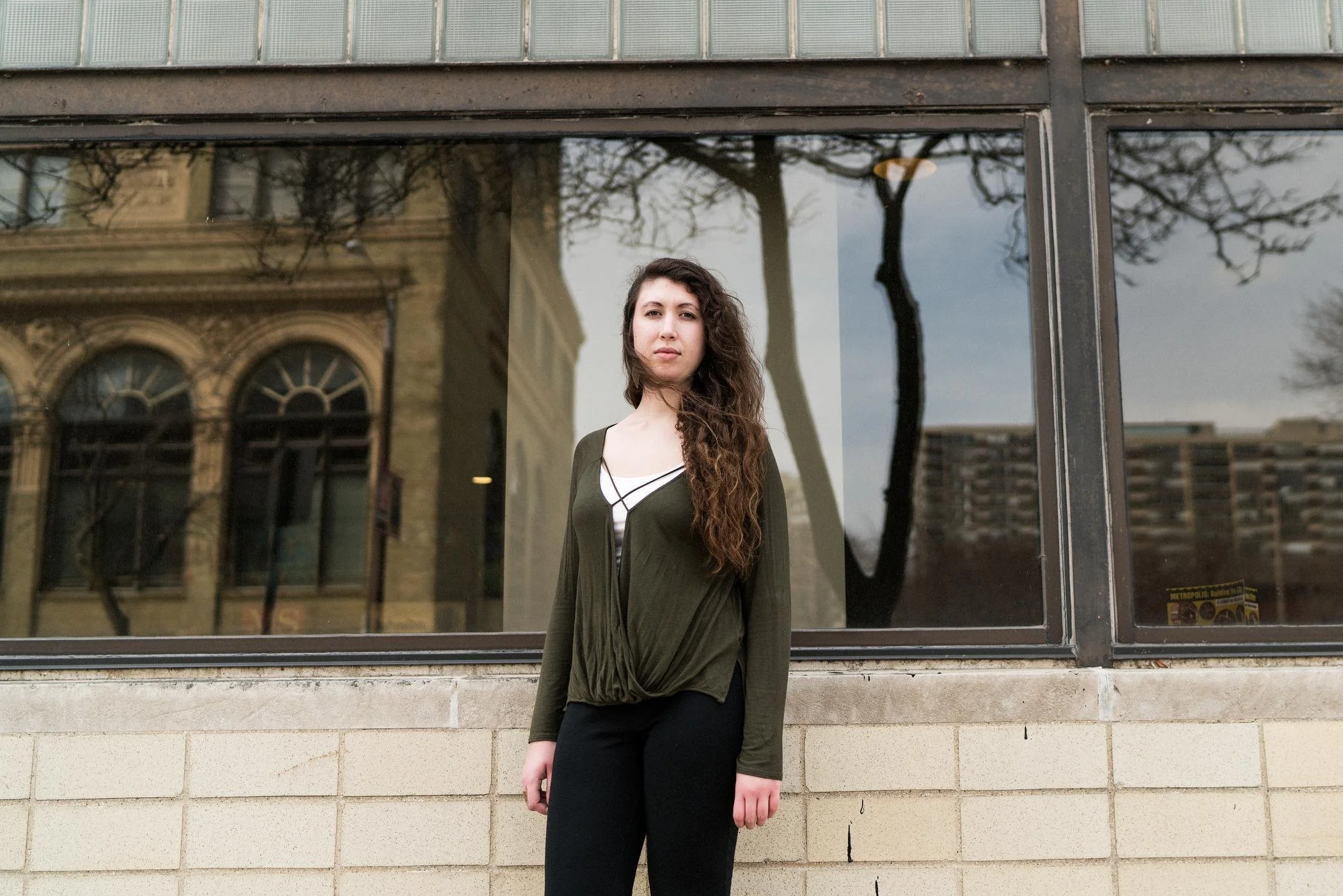
Lauren — Civil Engineering (Structural) Student: Women make up 17.2% of civil engineers in the U.S. “I chose this field because I recognized a need for structures not only in the U.S. but around the world through my work with Engineers Without Borders. As the only female structural student at my university and the only female engineer at my company, it challenges me to be the best I can be.”
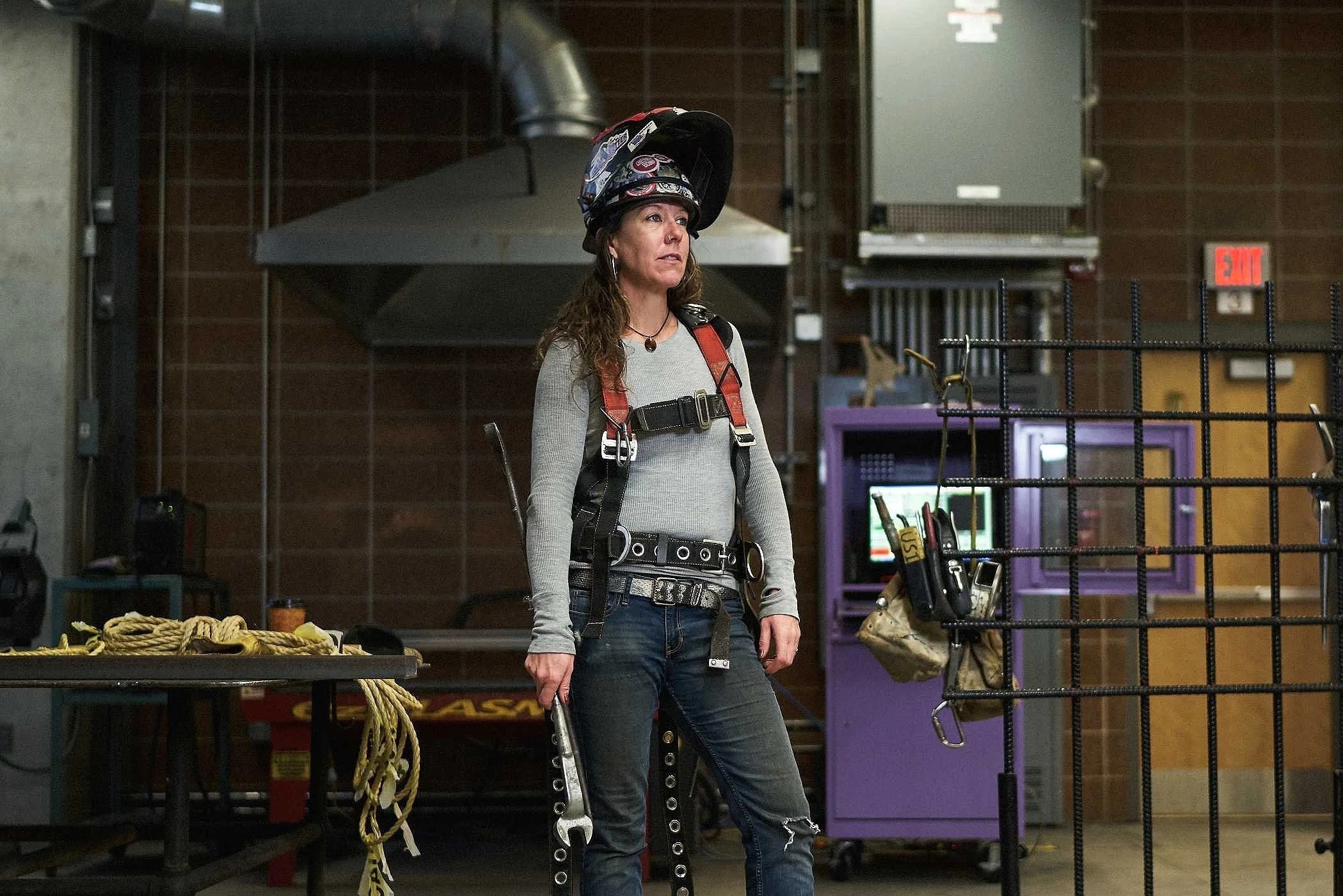
Jennifer — Ironworker: Women make up just 2% of structural iron and steel workers in the U.S. A tradeswoman in one of the most physically demanding and male-dominated fields in construction.
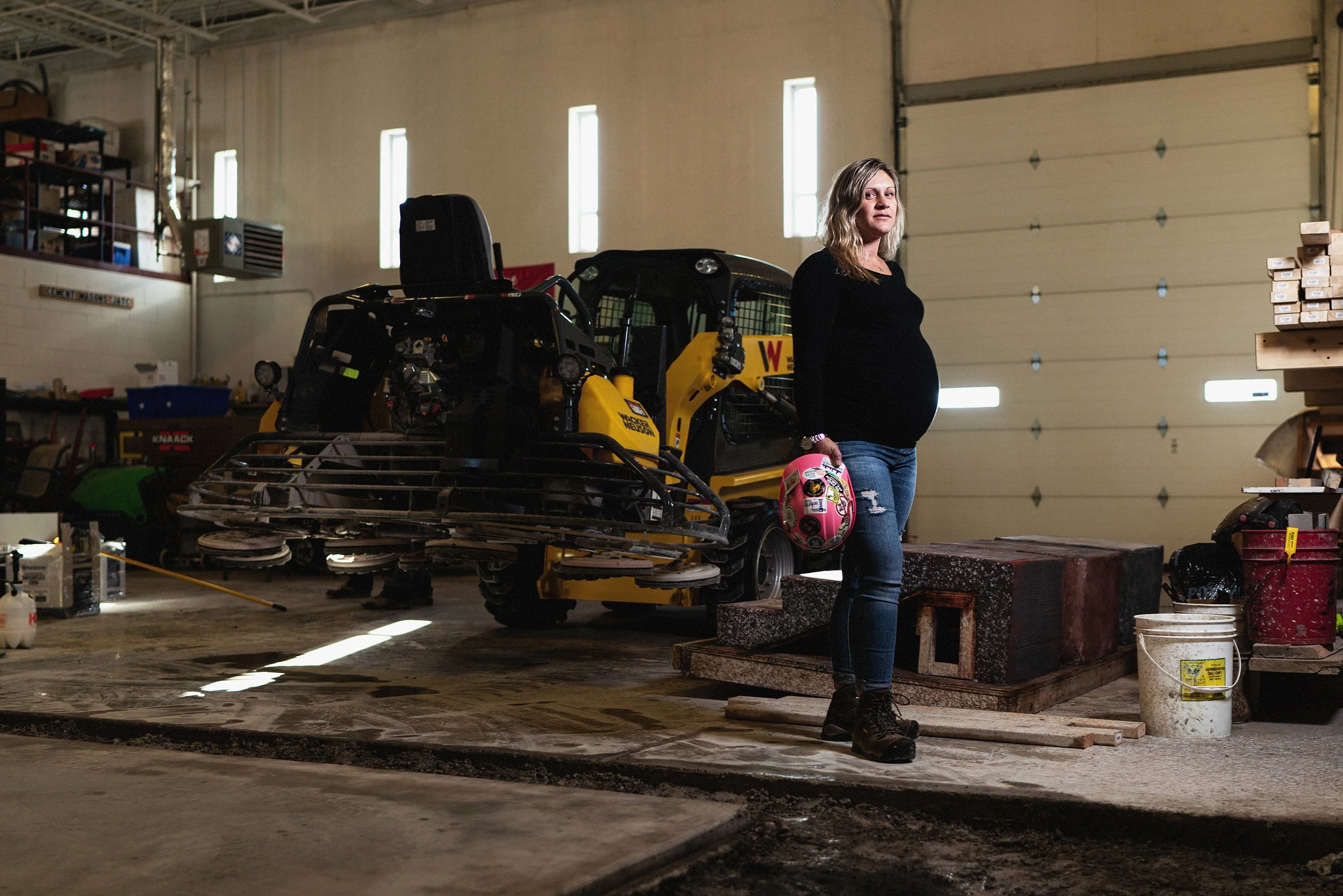
Kilah — Cement Mason & Union Business Agent: Women make up just 1.36% of cement masons in the U.S. What began as a summer job turned into a lifelong career—and now, as a union leader, Kilah is helping shift the culture of the trades. “It’s become my life’s work to prove I’m one of the best—and to show that I’m not the only one.”
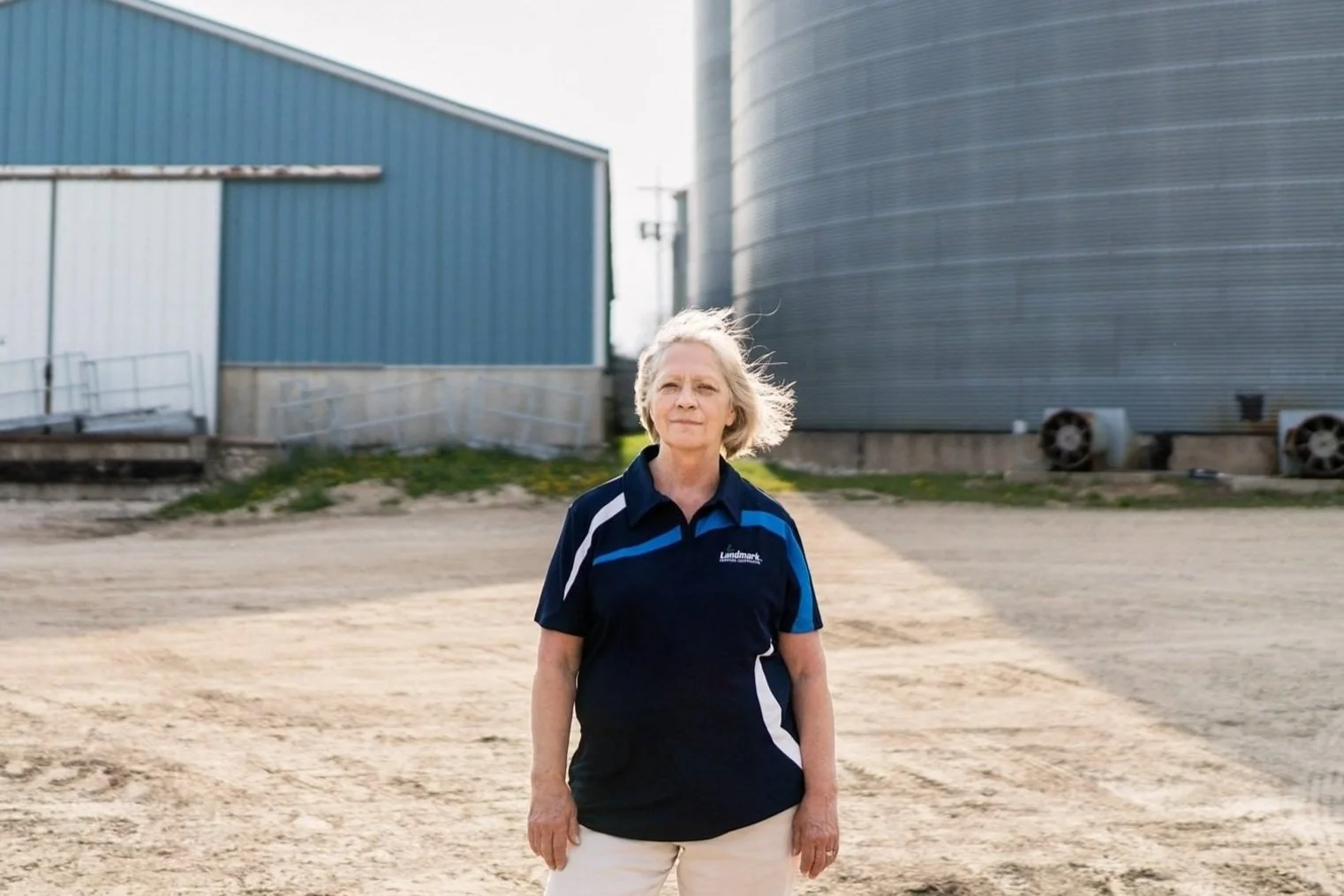
Nancy — Location Manager, Agricultural Cooperative: Women make up 23.8% of agricultural managers in the U.S. “It’s still a challenge for a woman in a male-dominated business. I hope by the time my granddaughters are in the workforce, these challenges are in the past. Never underestimate the experience you gain as a parent—especially when managing a team.”